Midnight Club 5 Cancelled Because Rockstar Prioritized GTA Success
 HalloTokoh
August 4, 2026 5:50 pm
.
7 min read
HalloTokoh
August 4, 2026 5:50 pm
.
7 min read
HalloTokoh – Midnight Club 5 Cancelled Because Rockstar Prioritized GTA Success is best enjoyed when reviewed in a smooth, easygoing style. Hello creative minds of HalloTokoh.com! Welcome back to our hub. Take a short breather and let’s feed your brain with good info.
Instead of spending time scrolling through aimless content, We’re breaking down everything surrounding Midnight Club 5 Cancelled Because Rockstar Prioritized GTA Success in a simple way. All key details below are curated specifically for our loyal readers.
Keep your eyes peeled, scroll down right away to find your answers. Take a look below!
Poin Utama Berita Ini:
- Midnight Club 5 was in development at Rockstar San Diego before being permanently cancelled.
- Internal management conflicts and missed deadlines caused significant friction with Rockstar New York.
- Massive titles like Grand Theft Auto (GTA) and Red Dead Redemption took absolute precedence over the racing franchise.
Rockstar Games has long stood as an industry titan, largely defined by monumental blockbusters like Grand Theft Auto and Red Dead Redemption. However, the studio’s portfolio once boasted a diverse array of distinct intellectual properties that captivated players across various genres. Franchises such as Bully, Manhunt, and the fan-favorite arcade street racing series Midnight Club defined an entire era of gaming. As reported by Ben on Twitter and discussed in detail by former developers, the history behind the disappearance of these classic IPs reveals a corporate shift toward singular, ultra-massive projects. Understanding why Midnight Club 5 never saw the light of day offers a fascinating look into the shifting priorities of one of the world’s most influential game developers.
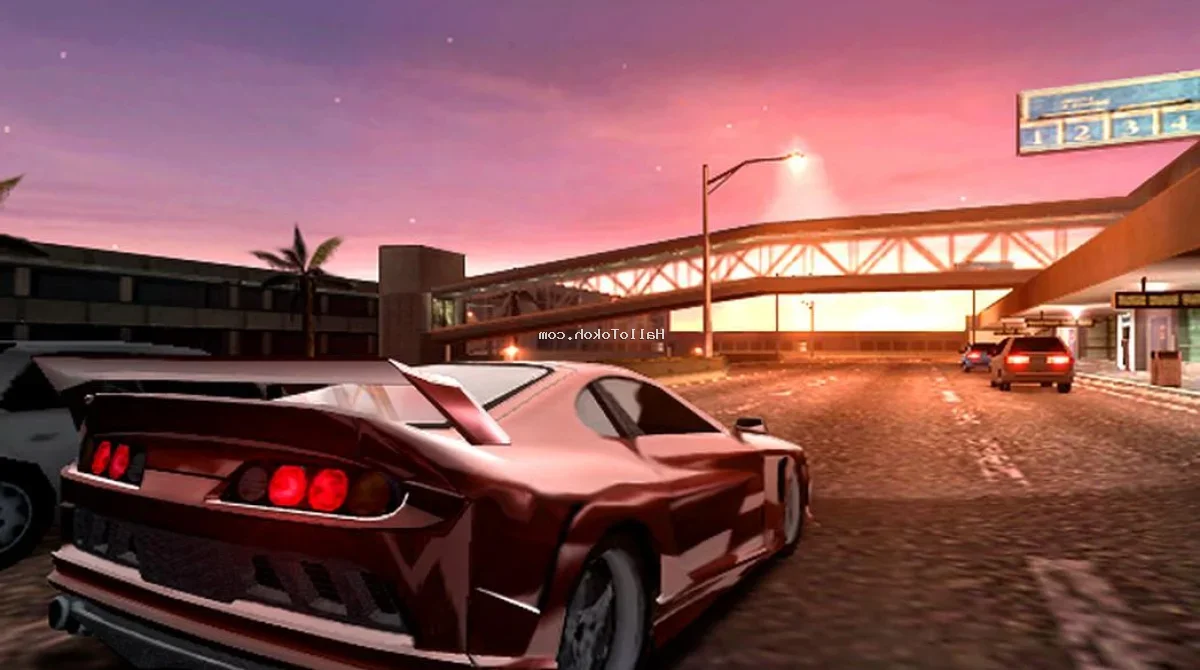
The legacy of the Midnight Club franchise remains profoundly cherished by racing enthusiasts who spent countless hours customizing import tuners, muscle cars, and exotic motorcycles through open-world recreations of cities like Tokyo, Los Angeles, and Detroit. Unlike simulation-heavy racers, Midnight Club embraced high-speed arcade thrills, police pursuits, and deep vehicle customization. When whispers of a fifth installment began circulating, community excitement reached a fever pitch. According to insights shared by former developer Kris Roberts, Rockstar San Diego was actively working on a fresh prototype for Midnight Club 5, which notably featured a detailed setting within the vibrant streets of London. Fans anticipated an ambitious leap forward for the franchise, hoping to experience next-generation speed and visual fidelity.
Despite early development momentum, internal friction quickly derailed the project. Studio dynamics within large game development conglomerates often face immense pressure, and Rockstar was no exception. Reports indicate that multiple missed deadlines combined with escalating management troubles created a chasm between Rockstar New York and Rockstar San Diego. This friction escalated into non-trivial organizational conflict regarding resource allocation and creative direction. In a development environment where perfectionism and massive scale are heavily rewarded, falling behind schedule can prove fatal for a project, especially when executive leadership’s attention is firmly fixed elsewhere. The tension between the regional studios ultimately created an unsustainable workflow, leaving the future of the street racing series hanging in a precarious balance.
The defining factor behind the cancellation, however, stemmed from a broader corporate philosophy shift. As Grand Theft Auto continued to shatter global entertainment records, the internal metric for success within Rockstar Games fundamentally transformed. For leadership at Rockstar New York, any project that could not match the astronomical financial returns and cultural footprint of GTA was deemed secondary. During a recent interview, former developer Kris Roberts articulated this reality bluntly, noting that when the project was officially terminated, management made it unmistakably clear that future company efforts would funnel primarily into Grand Theft Auto and related flagship properties. The directive was simple yet devastating for niche teams: the studio’s output needed to be universally massive, or it would not be made at all.
Faced with this strategic pivot, the talented engineering and design talent working on Midnight Club 5 at Rockstar San Diego was reassigned to critical infrastructure and flagship software. Many developers transitioned to upgrading the proprietary RAGE engine, which ultimately powered monumental releases like Red Dead Redemption and subsequent GTA titles. While these contributions undoubtedly helped shape some of the most critically acclaimed open-world games in history, they came at the direct expense of a beloved racing pedigree. The strategic reallocation of personnel signaled the definitive end of an era for arcade racing fans, cementing Rockstar’s transition into a two-franchise powerhouse focused exclusively on Grand Theft Auto and Red Dead Redemption.
| Project Element | Midnight Club 5 (Cancelled) | Grand Theft Auto Franchise |
|---|---|---|
| Primary Genre | Arcade Street Racing | Open-World Action-Adventure |
| Lead Studio | Rockstar San Diego | Rockstar North / Global Studios |
| Development Status | Cancelled during early prototyping | Continually active with record-breaking releases |
| Corporate Priority | Low (Sidelined due to scale) | Absolute Highest Priority |
The current landscape of the racing genre makes the absence of Midnight Club feel particularly stark. Modern gamers often look back at past iterations with intense nostalgia, wondering how a modern entry utilizing advanced hardware would perform. Modern racing titles command passionate communities, yet the specific high-octane flavor of urban illegal street racing combined with deep vehicle tuning has seen very few spiritual successors that capture the exact magic of the Rockstar classic. Emulation projects and community revivals of related titles demonstrate that an active audience still yearns for high-speed urban racing experiences, but corporate realities rarely align with niche fan desires.
Looking at the broader trajectory of the interactive entertainment industry, economic pressures and soaring development costs have made publishers increasingly risk-averse. Projects requiring tens of millions of dollars must guarantee unprecedented returns to justify their existence to corporate shareholders. Within such a rigid financial framework, mid-tier experiments or beloved franchises that occupy smaller market segments struggle to secure greenlights. While independent developers continue to innovate within the racing space, the AAA tier rarely accommodates the diverse genre experimentation that characterized the late 2000s gaming landscape. Consequently, players hoping for a triumphant return of street racing royalty must manage their expectations.
Ultimately, the story of Midnight Club 5 serves as a poignant reminder of how corporate scale and shifting industry economics shape digital art. The developers who poured their passion into crafting blistering street races left an indelible mark on gaming history, even if their final collaborative vision was left unfinished in the archives. As Rockstar Games concentrates its immense resources on future blockbuster milestones, the legacy of its dormant intellectual properties remains frozen in time. Fans seeking that particular brand of high-speed urban adrenaline will simply have to cherish past memories, recognizing that the era of diverse, mid-sized Rockstar experiments has permanently drawn to a close.
Disclaimer: This editorial piece examines historical game development decisions and industry insights based on developer interviews. For official updates on current software releases and corporate announcements, please visit Rockstar Games.
Referensi Sumber: Tech4Gamers – Ex-Rockstar Dev Says Midnight Club 5 Was Cancelled Because It Wasn’t Massive Like GTA
Our neat summary surrounding Midnight Club 5 Cancelled Because Rockstar Prioritized GTA Success ends right here, folks. Hopefully, your curiosity has been fully answered by now, folks. Hopefully, you can apply these tips in real life as soon as possible.
To enrich this piece with your valuable perspective, type out your thoughts in the comment space at the bottom. A single share from you means the world to HalloTokoh.com.
Wrapping up for today, see you in tomorrow’s topic, may you always catch positive energy everywhere!
Editorial Team: HalloTokoh.com Team
Author: Mss. Mafa