Minecraft Native Version on Nintendo Switch 2 Arriving October 27 with Vibrant Visuals
 HalloTokoh
August 6, 2026 4:35 am
.
6 min read
HalloTokoh
August 6, 2026 4:35 am
.
6 min read
HalloTokoh – Minecraft Native Version on Nintendo Switch 2 Arriving October 27 with Vibrant Visuals actually comes with plenty of fascinating facts worth exploring. Yo guys! So glad to connect with you once more at HalloTokoh.com. Grab your favorite snack and let’s jump into a relaxed read.
Finding information that actually hits the mark can be quite tricky. Don’t worry, the essential points about Minecraft Native Version on Nintendo Switch 2 Arriving October 27 with Vibrant Visuals are prepared. Very practical to put into use whenever you need it.
Without taking up any more of your time, let’s jump straight to the core details. Enjoy the read!
Poin Utama Berita Ini:
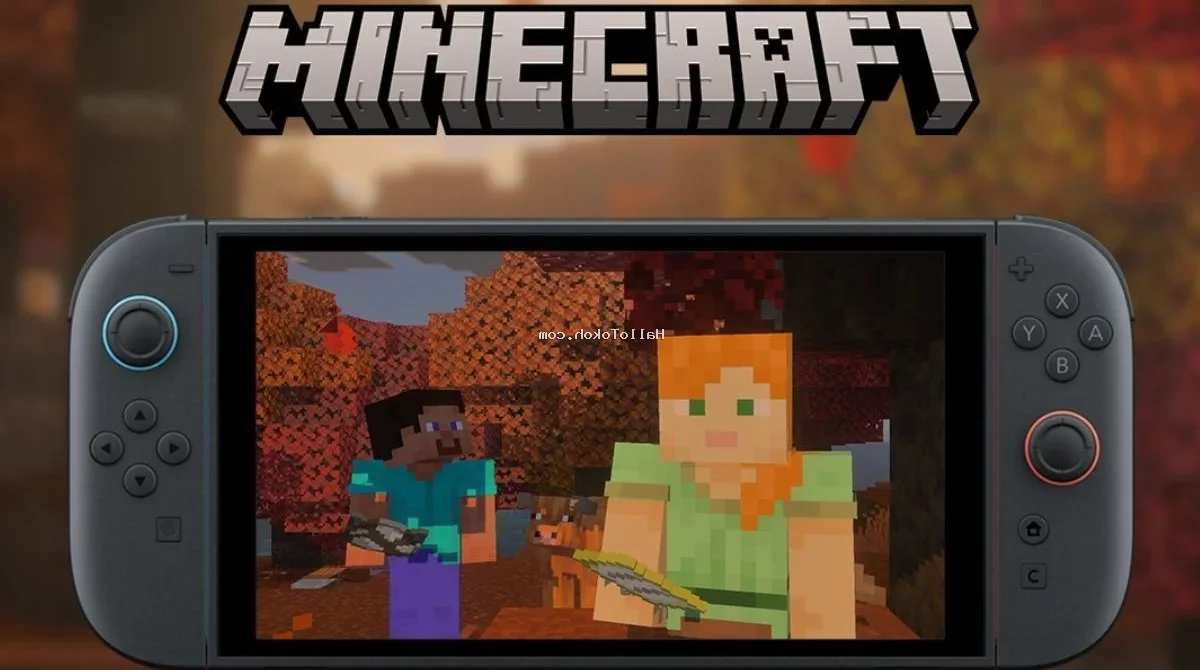
- Minecraft is officially launching on Nintendo Switch 2 worldwide on October 27 with a dedicated native version tailored for Nintendo’s next-generation hardware.
- The package features Vibrant Visuals enabled by default, delivering advanced lighting, dynamic shadows, high-fidelity water reflections, and richer atmospheric effects.
- Existing owners of Minecraft on the original Nintendo Switch will have access to a dedicated digital upgrade path, complemented by a refreshed exclusive Super Mario Mash-Up Pack.
According to recent reports by Beebom Gaming, Minecraft is finally making its transition to Nintendo’s next-generation platform on October 27, marking a significant technical leap for handheld and console sandbox builders. For years, millions of players have enjoyed the block-building phenomenon on the original Nintendo Switch. However, hardware constraints often limited the overall fidelity, draw distances, and framerate stability of the sandbox experience. As Mojang prepares to deploy this native version for the successor hardware, fans can anticipate a complete technical overhaul designed to leverage the advanced capabilities of the new console. Rather than offering a simple port, the developers have prioritized optimized performance and elevated visual standards right out of the box.
The most compelling revelation tied to this release is the integration of Vibrant Visuals as the default graphical setting. On legacy systems, players frequently had to tweak manual configurations or rely on specialized resource packs to achieve enhanced lighting and shadows. On Nintendo’s upcoming hardware, these enhancements are baked directly into the core engine. Users will immediately notice richer illumination models, realistic casting shadows, and sophisticated environmental water reflections that completely transform standard cave explorations, ocean sailings, and massive architectural builds. The technical transformation brings the portable experience much closer to high-end desktop and current-generation console standards without requiring external configuration tweaks.
Complementing the upgraded engine is a meticulously refreshed iteration of the fan-favorite Super Mario Mash-Up Pack. Nintendo enthusiasts revisiting the Mushroom Kingdom-inspired locations will experience iconic structures, textures, and character skins rendered under the new lighting and atmospheric effects. The visual overhaul breathes new life into familiar coordinates, making classic adventure maps and custom worlds look remarkably striking. Furthermore, players will have compatibility access to several other popular Minecraft add-ons upon launch, ensuring that custom content ecosystems remain vibrant and fully functional from day one on the new platform.
Despite the overwhelming technical improvements, the transition to the new console architecture comes with a few notable caveats. According to the reported details, Vibrant Visuals will not be supported during split-screen multiplayer sessions, likely due to the heavy performance overhead required to render dual dynamic lighting pipelines simultaneously. Additionally, certain specialized Marketplace experiences and community-generated worlds will continue utilizing standard visual parameters until creators update their assets for the new engine. These limitations highlight the delicate balance developers must strike between pushing hardware boundaries and maintaining stable local multiplayer framerates.
One particular area that continues to generate widespread speculation involves hardware-specific peripheral integration. Industry analysts and community members are still waiting for official confirmation regarding potential mouse-enabled Joy-Con 2 controls. The original Joy-Con architecture offered standard gamepad inputs, but the evolution of Nintendo’s controllers could introduce unique precision mechanics for intricate redstone engineering and rapid block placement. While details surrounding the exact pricing structure for the digital upgrade path remain under wraps, the confirmation of a transition discount ensures that loyal players won’t be forced to repurchase the full title from scratch.
The timing of this hardware release places it amidst an exceptionally busy development schedule for the franchise. Dropping approximately a month after the rollout of the Minecraft 26.3 update and Minecraft Dungeons 2, the late October launch window caps off a frantic quarter for Mojang. Development teams will likely juggle post-launch snapshot updates alongside hardware-specific optimizations, pointing toward a highly active community landscape heading into the holiday season. The convergence of new major game drops and hardware migrations underscores the enduring momentum of a franchise that continues to evolve well past its initial decade of dominance.
Technical Comparison of Minecraft Editions Across Nintendo Hardware Generations
| Feature / Specification | Original Nintendo Switch Version | Nintendo Switch 2 Native Version |
|---|---|---|
| Launch Date | Historical Release | October 27 |
| Default Graphics Engine | Standard Legacy Renderer | Vibrant Visuals Enabled by Default |
| Lighting & Shadows | Basic Static Lighting | Dynamic Shadows & Environmental Reflections |
| Split-Screen Visuals | Standard Settings | Standard Settings (Vibrant Visuals Unsupported) |
| Upgrade Path Availability | N/A (Original Platform) | Confirmed Digital Upgrade Path for Existing Owners |
Evaluating the long-term value of this release requires looking at how portable gaming hardware has matured over recent years. Sandbox titles rely heavily on consistent processing power and memory bandwidth to load procedural chunks smoothly while maintaining high render distances. The transition to a more powerful platform allows builders to execute massive architectural projects without encountering the frustrating stuttering or chunk-loading delays that plagued earlier portable iterations. For dedicated builders who prefer crafting intricate redstone mechanisms and sprawling cityscapes on the go, the hardware upgrade addresses the most persistent performance bottlenecks of the past.
The decision to implement an accessible digital upgrade path demonstrates a consumer-friendly approach by the publishers. Rather than alienating the vast community of existing players who invested in the original platform edition, Mojang and Nintendo have structured a transitional phase that rewards player loyalty. As the launch date approaches, community anticipation will likely center on performance benchmarks, frame rate stability tests, and the final pricing details for the upgrade mechanism. Until then, builders can prepare their existing worlds for a striking visual transformation that redefines sandbox exploration on portable devices.
Disclaimer: Game release dates, technical specifications, and upgrade paths are subject to official updates from platform holders and developers. For further details on hardware announcements, visit Nintendo Official Website.
Referensi Sumber: Beebom – Minecraft Launches on Nintendo Switch 2 With Vibrant Visuals on October 27
Alright everyone, that’s all for our review on Minecraft Native Version on Nintendo Switch 2 Arriving October 27 with Vibrant Visuals today. At least now you have a crystal clear picture of the subject. Don’t hesitate to put this new knowledge into action right now.
If you have a different story or opinion to share, guys, let’s join the conversation respectfully in the comments. So articles across HalloTokoh.com keep delivering top quality.
Catch you in the next exciting article, guys, wishing you smooth sailing and prosperity! Amen!
Editorial Team: HalloTokoh.com Team
Author: Mss. Mafa