PlayStation Faces Global Lawsuits Across Five Countries Over Anti-Competitive Digital Shift
 HalloTokoh
August 7, 2026 6:11 pm
.
6 min read
HalloTokoh
August 7, 2026 6:11 pm
.
6 min read
HalloTokoh – PlayStation Faces Global Lawsuits Across Five Countries Over Anti-Competitive Digital Shift hides an interesting plot twist that you really ought to know. Hey avid readers! Catching up again with the crew at HalloTokoh.com. We’re keeping the discussion light and easy, no need to stress.
This topic has been trending everywhere lately, folks. As a smart step forward, let’s learn the key takeaways of PlayStation Faces Global Lawsuits Across Five Countries Over Anti-Competitive Digital Shift. Perfect for those of you looking for a hassle-free solution.
To satisfy your curiosity, don’t forget to take note of the points you need. Full steam ahead!
Poin Utama Berita Ini:
- PlayStation faces coordinated legal action spanning five major international markets over alleged anti-competitive and anti-consumer business models.
- Industry critics and consumer advocates argue that abandoning physical media eliminates the used game market, hurting both retailers and everyday players.
- Despite a mounting 400 million Euros (approximately Rp 7.17 trillion) lawsuit and growing international backlash, Sony executives maintain that digital-first strategies have not damaged their financial health.
As originally reported by Tech4Gamers, Sony Interactive Entertainment is finding itself entangled in an escalating global legal battle. The transition away from traditional physical media has triggered widespread consumer dissatisfaction, culminating in formal legal complaints across five different nations. While the gaming giant continues to brush off criticisms regarding its commercial trajectory, consumer protection advocates argue that these sweeping strategic changes threaten the foundational principles of consumer choice, open market competition, and retail sustainability within the modern gaming ecosystem.
The Global Scale of the PlayStation Legal Challenges
The controversy began to snowball when a massive 400 million Euros legal challenge was launched against Sony for its aggressive phase-out of physical video game discs. Translated into local currency at current baseline conversion rates, this staggering sum represents approximately Rp 7.17 trillion in potential damages. What started as localized friction has now evolved into an international antitrust movement, with legal entities and consumer advocacy groups stepping forward to challenge the platform holder’s dominance.
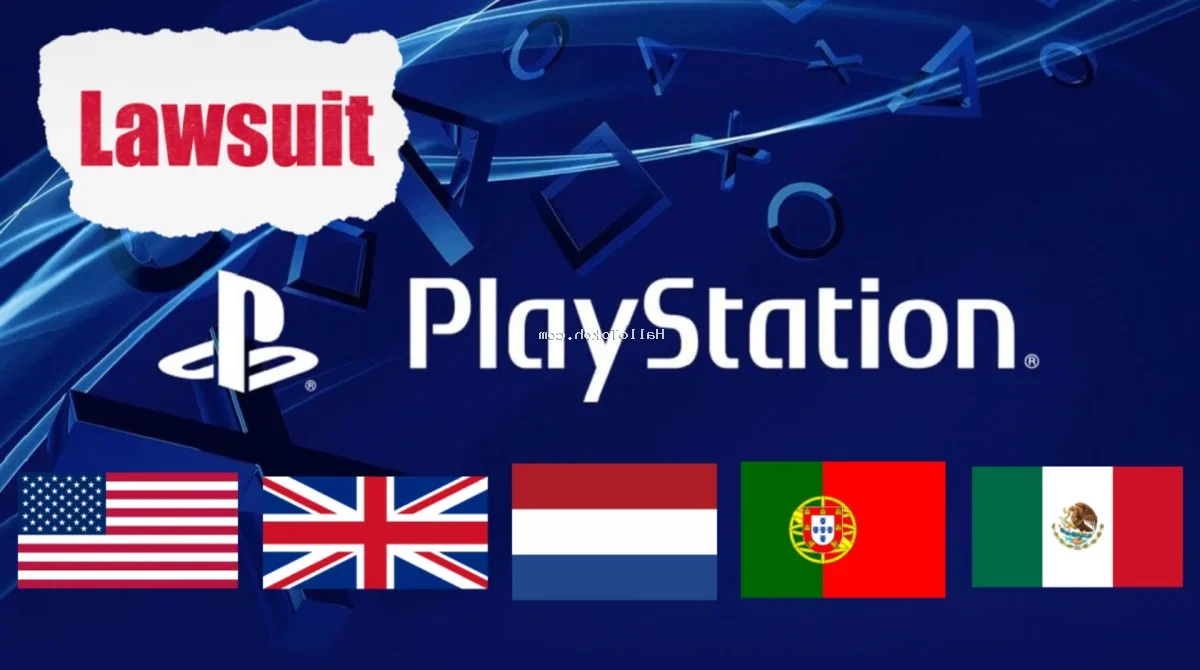
According to investigative coverage by Tech4Gamers, the current roster of nations pursuing legal actions includes the United States, the United Kingdom, the Netherlands, Portugal, and Mexico. Each jurisdiction brings distinct regional consumer protection arguments to the table, yet they all converge on the same core thesis: Sony is leveraging its massive market share to enforce anti-competitive practices that ultimately harm the broader interactive entertainment landscape.
Analyzing the Core Arguments Against Digital-First Strategies
The transition toward all-digital consoles and storefronts has been a polarizing topic ever since initial industry shifts were announced. Before these lawsuits materialized, devoted PlayStation fans organized massive online petitions, gathering over 250,000 signatures in an unsuccessful bid to force the company to preserve physical disc drives and media formats. However, corporate leadership has remained steadfast, signaling that there are no internal plans to reverse course.
The primary legal argument centers on market monopolization. Because Sony occupies a dominant leadership position in the global gaming industry, critics assert that unilateral decisions to phase out physical media choke off competing retail channels. Without physical storefronts and independent retailers participating in the distribution chain, consumers lose their right to choose how they purchase, trade, or preserve their media collections. Furthermore, the latest lawsuit initiated in Mexico introduces critical dimensions regarding economic secondary markets.
The Disappearance of the Second-Hand Gaming Market
One of the most consequential arguments highlighted in the Mexican legal filing is the absolute erasure of the second-hand or pre-owned game market. When physical media disappears entirely, the traditional ecosystem of buying, selling, and trading physical game discs vanishes with it. This creates a severe economic blow to brick-and-mortar retail stores that rely on pre-owned game sales to sustain their operational margins.
For decades, the secondary market has acted as a financial safety net for gamers, allowing them to offset the high costs of modern gaming by reselling completed titles. Shifting entirely to digital distribution grants platform holders absolute monopoly control over digital game pricing, sales frequencies, and library access. Without competing retail options, digital storefronts face zero pricing pressure, effectively trapping consumers within a closed ecosystem dictated entirely by corporate profit margins.
Corporate Defense and Financial Standpoint
Despite the accumulating legal pressure and international regulatory scrutiny, Sony Entertainment leadership remains entirely unfazed by the public outcry. Corporate financial officers recently addressed investor concerns, stating unequivocally that the pivot toward digital distribution has not negatively impacted their commercial performance or quarterly revenue streams.
Digital sales figures remain at an all-time high, validating the corporate strategy from a purely balance-sheet perspective. Industry peers are also observing these developments closely; competing publishers like Capcom have similarly remarked that moving away from physical discs will not leave an unmanageable scar on their business models. Nonetheless, the disconnect between corporate financial success and consumer-level resentment highlights a deepening ideological chasm within the modern gaming community.
Comparative Overview of International PlayStation Lawsuits
| Country / Jurisdiction | Primary Legal Focus | Estimated Financial / Market Impact |
|---|---|---|
| United States | Anti-competitive ecosystem lock-in and digital pricing control | Broad industry-wide antitrust scrutiny |
| United Kingdom | Consumer rights violation and retail market restriction | Massive consumer representation claims |
| Netherlands | Abuse of dominant market position in digital distribution | Regulatory compliance investigations |
| Portugal | Infringement on consumer choice and media ownership rights | National consumer protection challenges |
| Mexico | Destruction of the secondary/used game market and retail harm | Multi-million dollar structural damages |
Broader Industry Implications for Physical Media
The ongoing legal battles surrounding PlayStation signal a crucial turning point for the future of interactive entertainment. As hardware manufacturers increasingly favor cloud streaming and downloadable software, the historical preservation of video games hangs in the balance. Digital licenses can be revoked, storefronts can be shut down, and players ultimately own nothing more than temporary access rights to digital assets.
While tech giants prioritize streamlined profit margins and airtight digital security measures, the legal challenges mounted across these five countries serve as a vital stress test for international consumer law. Whether these courts can successfully compel hardware manufacturers to respect traditional ownership models remains to be seen, but the outcome will undoubtedly redefine consumer rights in the digital age for decades to come.
Disclaimer: This journalistic review is compiled strictly from reported news data regarding ongoing international legal proceedings against corporate digital policies. For official updates and official platform guidelines, please visit PlayStation Official Site.
Referensi Sumber: Tech4Gamers – PlayStation Now Facing Lawsuits From 5 Different Countries Over Anti-Competitive Practices
And that’s pretty much how the story unfolds for PlayStation Faces Global Lawsuits Across Five Countries Over Anti-Competitive Digital Shift. Hopefully, this straightforward article offers a fresh angle for you. May your day become even more productive after reading this piece.
Enjoy this casual way of breaking down topics? ask away directly in the comment box down below, guys. So future content at HalloTokoh.com keeps getting better, guys.
Wishing you good health wherever you are, keep smiling, guys, and enjoy the rest of your day!
Editorial Team: HalloTokoh.com Team
Author: Mss. Mafa