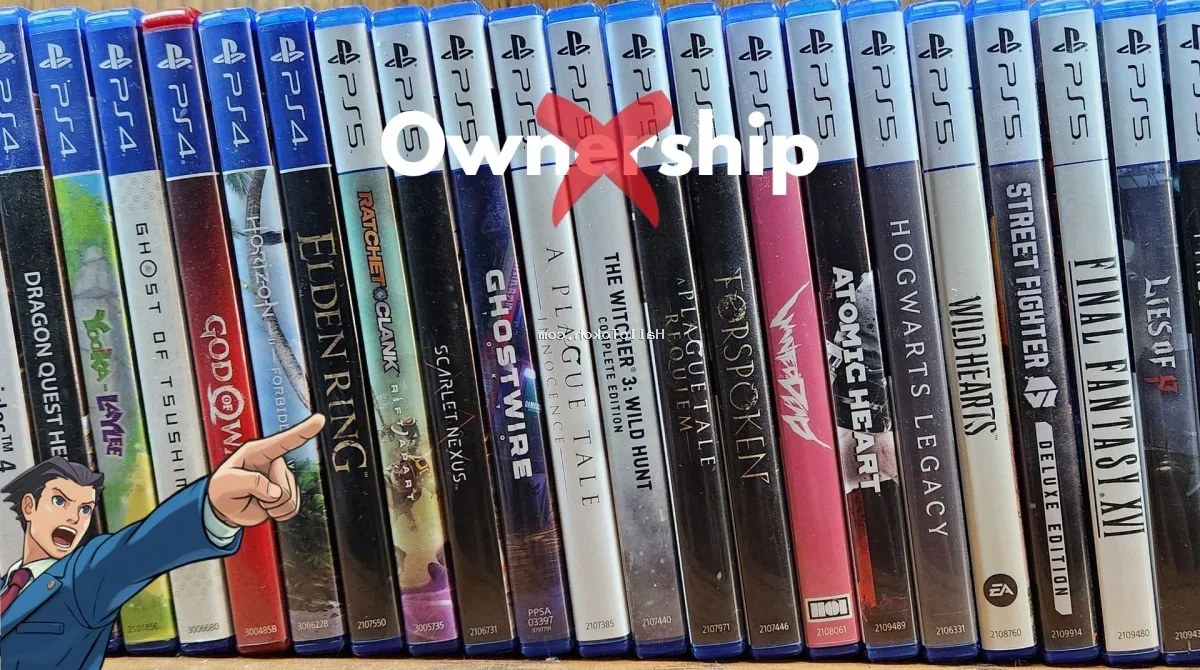
Xbox Physical Game Sales Collapse to 4 Percent Amid Digital Shift
 HalloTokoh
August 20, 2026 7:11 pm
.
7 min read
HalloTokoh
August 20, 2026 7:11 pm
.
7 min read
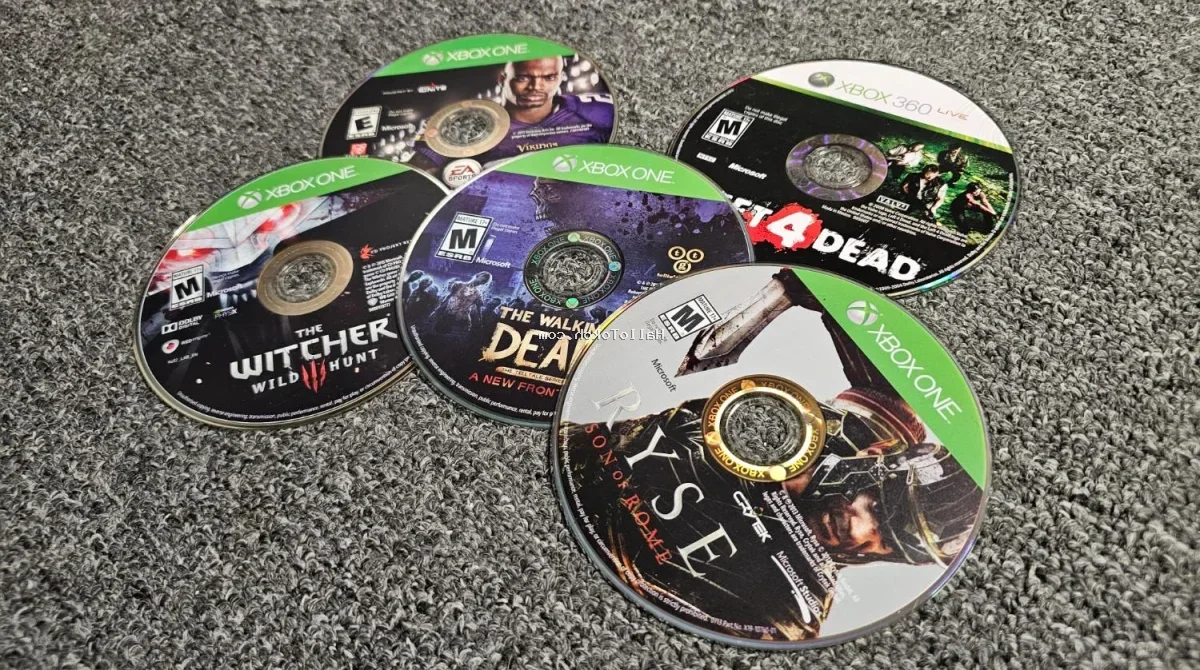
HalloTokoh – Xbox Physical Game Sales Collapse to 4 Percent Amid Digital Shift is what we’re peeking into today to see what’s new inside. Hello readers! Enjoy your time browsing through HalloTokoh.com. Find a nice backrest so your reading time feels extra smooth.
Maybe you’re one of those people who are super curious about this issue. Let’s unlock the interesting secrets behind Xbox Physical Game Sales Collapse to 4 Percent Amid Digital Shift together. The end result will leave you with a fantastic sense of clarity.
Without further ado, this information brings a positive impact for you. Hope this enlightens you!
Poin Utama Berita Ini:
- Xbox physical game sales only accounted for 4% of total US physical media purchases this year.
- Nintendo dominated the physical sector with 63% of the market share, followed by PlayStation at 32%.
- Overall US consumer spending on physical video games reached its lowest point since tracking began in 1995 during July.
The landscape of modern video game retail is undergoing a profound structural transformation, driven by an accelerating migration toward digital storefronts and streaming services. According to a comprehensive Circana report recently highlighted by Kotaku, Xbox software titles accounted for an alarming mere 4 percent of total physical game sales across the United States throughout the year. This statistical reality underscores a much broader industry-wide retreat from traditional optical discs, cartridges, and brick-and-mortar retail inventory. As major publishers and hardware manufacturers re-evaluate their distribution strategies, the viability of physical media faces unprecedented pressure from digital ecosystems like Xbox Game Pass, PlayStation Network, and Nintendo eShop.
Understanding the Market Share Breakdown
Also Read: Sony Quietly Reminds Gamers That Digital Purchases Are Merely Licenses Amidst Boycott Backlash
Analyzing the broader market dynamics reveals a stark contrast in how consumers purchase software across different hardware ecosystems. While Microsoft’s Xbox division struggles to maintain a physical footprint, its competitors command staggering majorities of disc and cartridge distribution. Nintendo emerged as the absolute leader in physical sales for the year, capturing a dominant 63 percent of total consumer spending in the regional market. This enduring strength is largely anchored by Nintendo’s hybrid console hardware and blockbuster first-party releases that traditionally favor physical retail collection among families and enthusiasts alike.
Meanwhile, PlayStation secured 32 percent of the physical market share in the United States, proving that Sony’s player base still engages with optical media despite the corporation’s aggressive push toward a digital-centric hardware ecosystem. However, this delicate balance is being violently tested by recent corporate maneuvers. Sony’s industry-shaking announcements regarding future hardware iterations and reduced disc production have ignited fierce protests among loyalists. Dedicated players have organized week-long boycotts of PS5 and PS4 consoles starting on Mondays to challenge active user count metrics, directly pushing back against an enforced digital future.
The Historical Low Point of July Spending
The structural decline of physical retail manifests clearly in monthly financial metrics tracked across the American gaming sector. Industry data indicates that consumer spending on physical video games plummeted to its lowest point since tracking officially began in 1995. During July, consumer expenditure on physical media reached a meager $85 million (approximately Rp 1.51 billion based on the current system exchange rate of 1 USD to Rp 17.812). This staggering figure highlights how quickly consumer habits have evolved away from traditional shopping trips to local electronics retailers.
Xbox titles contributed negligibly to this already anemic July pool, reflecting a broader pattern of declining retail shelf space. Major retailers across the country have steadily reduced their physical inventories or stopped stocking Xbox physical software entirely due to abysmal sales performance. Because Microsoft has heavily conditioned its audience to embrace digital subscriptions and cloud-based gaming through Xbox Game Pass, the traditional retail buyer has largely abandoned the platform’s physical product lines. This self-reinforcing loop makes it exceedingly difficult for Team Green to capture meaningful revenue when physical inventory is sparse to begin with.
Comparative Overview of Platform Performance
To better grasp the widening performance gap between major hardware manufacturers in the physical sector, market analysts examine distinct retail metrics across regions. The following breakdown illustrates the current division of consumer spending and strategic posture for each platform ecosystem:
| Platform Manufacturer | US Physical Market Share | Primary Distribution Strategy | Retail Footprint Status |
|---|---|---|---|
| Nintendo | 63% | Balanced Physical and Digital | Extremely strong physical presence in retail stores |
| PlayStation | 32% | Transitioning to Digital-First | Shrinking physical support amid new hardware shifts |
| Xbox | 4% | Subscription and Digital-Centric | Severely reduced physical retail shelf presence |
The Strategic Implications for Major Publishers
The retreat from optical discs is not isolated to first-party console manufacturers. Major third-party publishers like Take-Two Interactive and Capcom have increasingly signaled indifference toward physical distribution models. Although certain global territories continue to show localized surges in physical media preference—such as strong digital-to-physical sales splits observed for major franchise releases like Resident Evil Requiem—the North American market tells an entirely different story. Publishers face escalating logistics costs, complex global supply chains, and shrinking retail margins, making digital storefronts infinitely more attractive for profit margins.
As industry giants shift their financial focus to software delivery via broadband networks, physical game retail risks becoming an ultra-niche market catered strictly to retro collectors and hardcore enthusiasts. With Xbox holding only a 4 percent slice of the remaining physical pie, the ecosystem appears to have permanently decoupled from physical retail mechanics. Industry observers note that unless Microsoft radically alters its distribution strategy or reintroduces aggressive retail incentives, physical Xbox discs will likely vanish completely from mainstream commerce long before their competitors finish phasing out optical drives.
The Evolving Backbone of Industry Retail
As the billion-dollar gaming industry navigates this turbulent transition period, the foundational pillars of physical retail are shifting dramatically. With Sony scaling back disc manufacturing and Microsoft operating almost exclusively within a digital paradigm, Nintendo stands virtually alone as the primary custodian of physical video game sales in the United States. Whether this dominance will endure as manufacturing costs rise and flash memory pricing fluctuates remains a critical question for economic analysts tracking the sector.
The rapid marginalization of physical media also triggers intense community debates across digital forums and social networks. Players frequently voice concerns over digital ownership rights, server preservation, and the inability to trade used games. However, corporate balance sheets consistently favor the digital model, leaving consumers with fewer retail choices with each passing fiscal quarter. As July’s record-low sales figures demonstrate, the transition is no longer a theoretical projection—it is an active, ongoing reshaping of consumer reality.
Disclaimer: This article is compiled based on publicly available market research data and industry reporting. Market shares and financial figures reflect specific tracking periods in the United States and are subject to continuous fluctuation. For official hardware availability, software listings, and retail updates, please visit Microsoft and Nintendo.
Referensi Sumber: Tech4Gamers – Xbox Titles Only Accounted For 4% Of Physical Game Sales In The US This Year
That gives you a solid overview of the core essence of Xbox Physical Game Sales Collapse to 4 Percent Amid Digital Shift. Hopefully, this light summary brings a positive impact for you. Make sure to digest this well, folks, so there’s no misunderstanding.
Don’t hesitate to share your thoughts with us, write down your comment below so we can reply back and forth. Your comment will be greatly appreciated at HalloTokoh.com.
Stay safe, stay productive, and keep things relaxed, hope these insights make your day a bit easier!
Editorial Team: HalloTokoh.com Team
Author: Mss. Mafa