Key takeaways of this news:
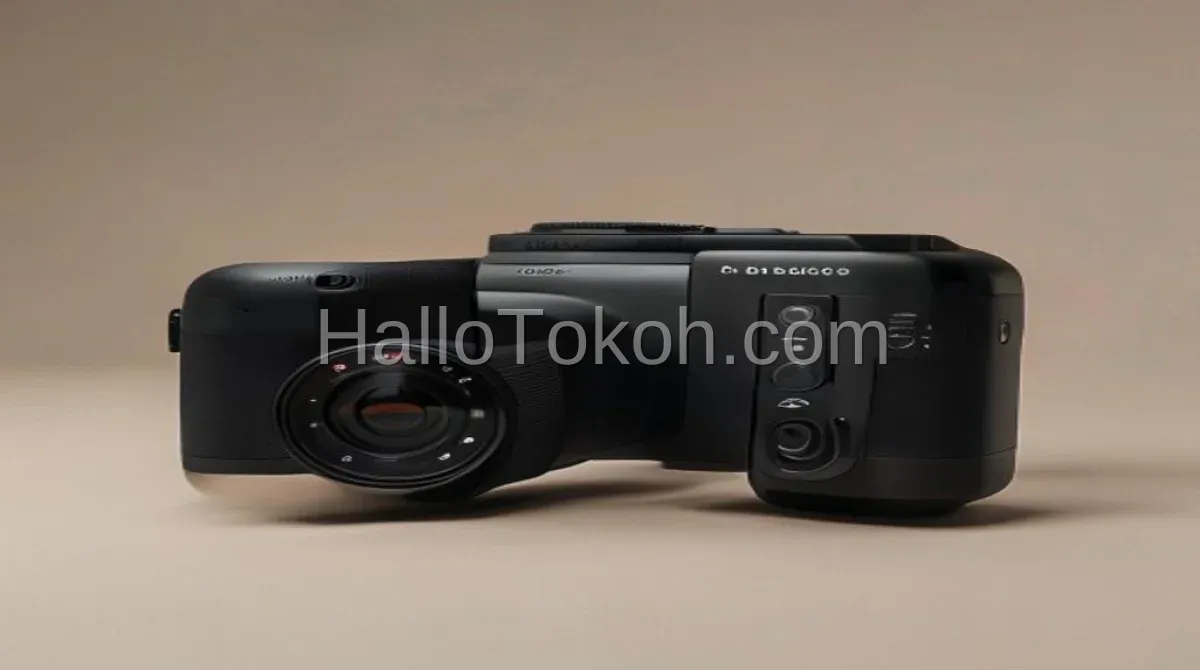
- The Insta360 Luna Ultra introduces a highly versatile dual-camera system tailored specifically for professional-grade digital recording and content creation.
- Recent hardware evaluations published in 2030 praise the device for its impressive low-light video performance and robust built-in image stabilization.
- Hardware architecture features a detachable wireless OLED display, though users note a slightly bulkier physical chassis compared to standard market competitors.
- Minor color-matching inconsistencies have been documented during complex multi-angle or multi-lens shooting scenarios, prompting attention from technical reviewers.
The modern digital landscape demands recording equipment that bridges the gap between portability and professional capability, placing the spotlight squarely on emerging hardware assessments. According to reports compiled from recent product evaluations published in 2030, the Insta360 Luna Ultra has rapidly emerged as a focal point for content creators examining advanced vlogging hardware. The device evaluation assesses multiple operational facets, providing prospective users with a detailed breakdown of its physical design and video capabilities. Industry observers have closely tracked these hardware assessments to understand how the equipment performs under various shooting conditions, measuring its viability against established benchmarks in the modern consumer technology market.
Core Performance and Imaging Capabilities
Evaluating modern imaging equipment requires rigorous examination of sensor response, dynamic range, and overall computational processing power under demanding physical conditions. Testing highlights the device’s impressive low-light video performance, which allows creators to capture clear footage in challenging lighting environments without introducing excessive visual noise. This capability stems from optimized sensor integration and advanced internal image processing pipelines designed to maximize light collection. Additionally, the unit features exceptional built-in image stabilization to maintain smooth recordings during movement without requiring external gimbals or stabilization rigs. By minimizing mechanical shake through sophisticated software algorithms and internal dampening, the camera delivers steadied footage suitable for dynamic outdoor broadcasting and mobile journalism.
Professional recording options are well-supported within the system, catering to users who demand advanced encoding and format flexibility for post-production workflows. High-bitrate capture profiles, customizable color profiles, and flexible resolution settings ensure that creators can tailor output files to meet specific broadcast or streaming requirements. However, minor color-matching inconsistencies were noted during multi-angle or multi-lens shooting scenarios. When switching between the dual-lens modules or combining footage from different focal lengths within a single editing timeline, operators may need to apply minor color grading adjustments to maintain visual continuity across disparate clips.
Design, Ergonomics, and Usability Features
Hardware ergonomics play a pivotal role in determining whether a camera facilitates efficient workflows or introduces physical fatigue during extended field sessions. The hardware incorporates a detachable wireless OLED display, giving operators enhanced flexibility for framing shots from various angles and monitoring live feeds remotely. This modular approach allows users to detach the screen for self-recording or mount it in alternative configurations depending on specific environmental constraints. Despite these advanced integration features, evaluators noted that the chassis is slightly bulkier than some competing devices on the market. The increased physical footprint is largely attributed to the complex internal cooling systems, robust battery housing, and the dual-camera mechanism required to deliver high-tier optical performance.
The combination of a highly versatile dual-camera system and modular monitoring components provides distinct operational advantages for mobile creators working in fast-paced environments. Being able to adapt the physical configuration of the camera on the fly minimizes downtime and enhances creative freedom during complex field shoots. Detailed feature characteristics identified during testing are systematically outlined in the evaluation breakdown below, offering a clear comparative overview of the hardware’s strengths and physical trade-offs.
| Feature Category | Evaluation Details |
|---|---|
| Optics & Video | Versatile dual-camera setup with professional recording options and strong low-light performance. |
| Stabilization & Display | Exceptional built-in image stabilization paired with a detachable wireless OLED display. |
| Physical Build | Slightly bulkier than some rivals, accompanied by minor color-matching inconsistencies. |
Industrial Context and Consumer Impact Analysis
The introduction of specialized vlogging devices with modular elements signals a broader shift in consumer technology manufacturing toward hybrid utility. Content creators increasingly demand all-in-one solutions that minimize gear weight while maintaining broadcast-quality output standards. Products like the Insta360 Luna Ultra challenge traditional camera design paradigms by merging cinematic capture tools with nimble, creator-focused ergonomics. Market analysts suggest that while bulkier chassis designs might deter ultra-minimalist travelers, the operational gains offered by dual-lens flexibility and wireless monitoring capabilities heavily outweigh the physical footprint penalty for serious professionals.
Furthermore, the evolution of built-in stabilization technologies continues to redefine expectations for handheld shooting gear. As internal algorithms become more proficient at eliminating high-frequency jitters and translational motion, the reliance on heavy mechanical stabilizers diminishes. This technological progression empowers solo creators to execute complex camera movements without the physical burden of extensive rigging. Nevertheless, manufacturers must continue refining color science consistency across multi-lens arrays to satisfy high-end commercial editing requirements where post-production efficiency is paramount.
External Resources and Technical Documentation
For individuals seeking further technical context, additional information regarding immersive virtual environments and complex digital systems such as Star Citizen can be explored through related gaming archives. These resources offer parallel insights into how high-performance graphics engines and hardware processing capabilities are evaluated within modern digital entertainment sectors. Comprehensive coverage of the hardware test is also documented extensively via external review platforms, allowing hardware enthusiasts to cross-reference analytical findings and technical benchmarks.
Source Reference: Game Revolution Insta360 Luna Ultra Review
Hopefully, these key points about Insta360 Luna Ultra Camera Review Highlights Versatile Dual-Camera System stick in your mind as you evaluate your next equipment upgrade. In the end, it all comes down to putting these technical ideas into practical execution for your creative projects, guys. Hopefully, this detailed review turns out to be the exact operational solution you sought.
So your peers and fellow creators don’t miss out on trending hardware topics, you can help out by sharing this post across your professional social media networks. Doing so ensures new visitors at HalloTokoh.com can continually access thorough technological breakdowns and industry insights for free.
Wishing you good health wherever you are, alongside continuous good fortune and professional success every single day!
Editorial Team: HalloTokoh.com Team
Author: Mss. Mafa