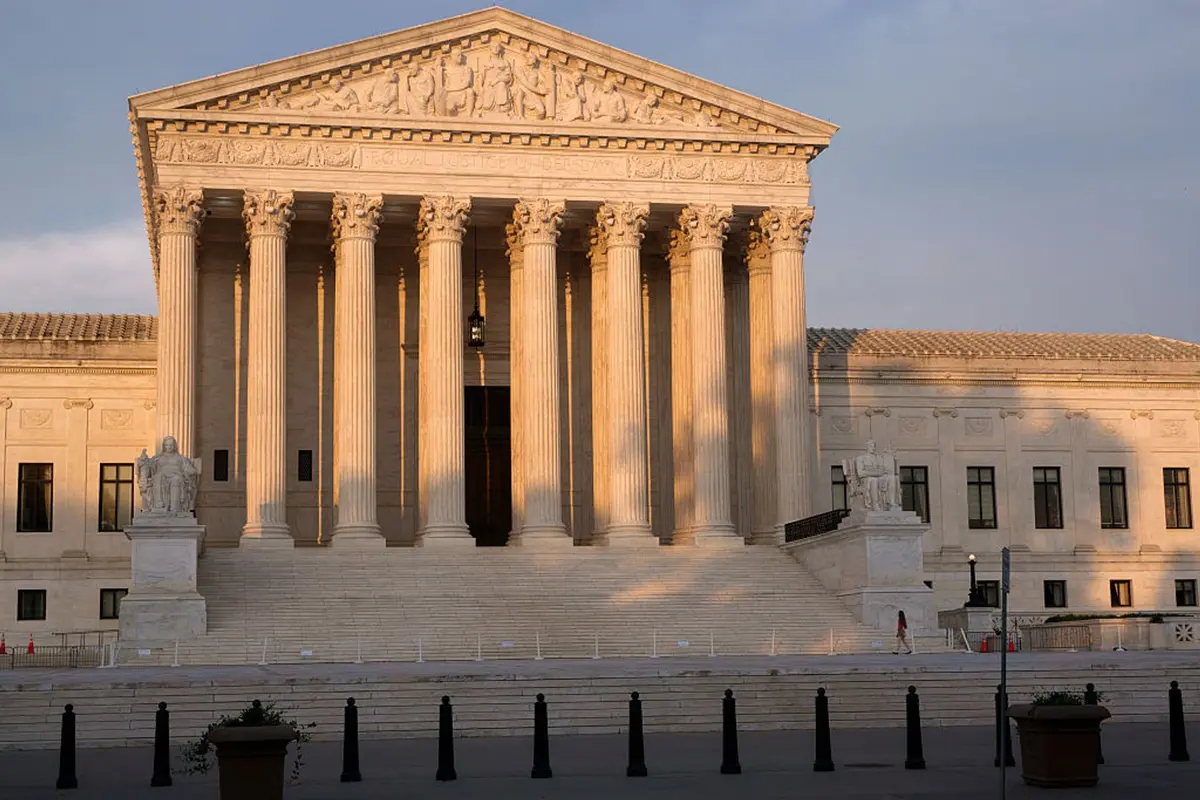

Supreme Court Preserves Birthright Citizenship, Wisconsin Advocates Welcome Landmark Decision
 HalloTokoh
June 30, 2026 3:19 pm
.
4 min read
HalloTokoh
June 30, 2026 3:19 pm
.
4 min read
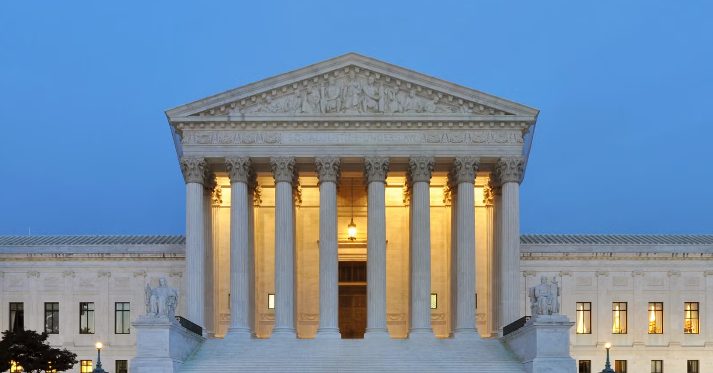
Supreme Court Preserves Birthright Citizenship, Wisconsin Advocates Welcome Landmark Decision
Immigrant rights organizations across Wisconsin are welcoming a U.S. Supreme Court decision that preserves birthright citizenship, reaffirming a constitutional principle that has been recognized in the United States for more than 150 years.
The ruling prevents a controversial executive order issued by President Donald Trump during the opening days of his second presidential term from taking effect. The order sought to deny automatic U.S. citizenship to certain children born on American soil if their parents were either living in the country without legal authorization or held only temporary immigration status.
Supporters of the decision say it provides legal certainty for thousands of families while reinforcing long-standing constitutional protections.
Court Reaffirms Constitutional Citizenship
At the center of the dispute is the Fourteenth Amendment to the U.S. Constitution, which declares that people born or naturalized in the United States and subject to its jurisdiction are U.S. citizens.
Birthright citizenship has formed the foundation of American nationality law since the amendment was adopted in 1868, following the Civil War. Over the decades, courts have consistently interpreted the provision as granting citizenship to nearly all individuals born within U.S. territory, regardless of their parents’ immigration status.
The Supreme Court’s latest decision leaves that interpretation intact.
Executive Order Sparked Legal Challenges
President Trump’s executive order proposed changing how birthright citizenship would be applied to future births. Rather than affecting existing citizens, the policy targeted children born after a specified implementation date whose parents were either undocumented immigrants or temporarily present in the country.
The proposal immediately prompted lawsuits from multiple states, local governments, immigration organizations, and legal scholars, who argued that a president cannot override constitutional protections through executive action.
Several federal courts temporarily blocked enforcement while the issue moved through the judicial system.
Wisconsin Officials Joined Legal Opposition
Wisconsin became one of several states actively participating in the legal battle.
Attorney General Josh Kaul, together with attorneys general from other states, filed a legal brief urging the Court to reject the executive order, arguing that the Constitution clearly guarantees birthright citizenship.
Local governments, including the City of Madison and Dane County, also supported the challenge through amicus briefs, warning that changing citizenship rules could create long-term uncertainty for children, families, schools, employers, and public institutions.
Officials argued that children born in the United States eventually become workers, entrepreneurs, educators, healthcare professionals, and public servants who contribute to local communities and the national economy.
Immigration Advocates Cite Human Impact
Beyond the constitutional debate, immigration advocates emphasized the practical consequences the executive order could have created.
According to legal experts, uncertainty surrounding citizenship status generated anxiety among many expectant parents, including individuals who were legally living in the United States under temporary visas or humanitarian protections.
Some families worried their children could face difficulties obtaining citizenship documentation or encounter barriers to healthcare, education, and other essential services.
Advocates argued that maintaining established citizenship rules provides greater stability for families planning their futures in the United States.
Potential National Consequences
Policy analysts have estimated that limiting birthright citizenship could have affected hundreds of thousands of newborns annually across the country.
Without automatic citizenship, many children could face complicated legal questions regarding nationality, documentation, and immigration status depending on the laws of their parents’ home countries.
Legal scholars have also noted that creating a large population of children without clear citizenship status could introduce significant administrative and legal challenges for state and federal agencies.
Broader Constitutional Significance
The Supreme Court’s decision extends beyond immigration policy by reaffirming the judiciary’s role in interpreting constitutional guarantees.
Legal observers say the ruling reinforces the principle that major constitutional rights generally cannot be altered through executive orders alone and instead require constitutional amendment or action consistent with constitutional interpretation.
The case is expected to remain an important reference point in future debates involving immigration, executive authority, and constitutional protections.
Looking Ahead
Although immigration policy continues to be one of the most debated issues in American politics, the Supreme Court’s decision provides renewed legal certainty regarding birthright citizenship.
For immigrant families, educators, legal organizations, and local governments, the ruling preserves a constitutional framework that has shaped American citizenship for generations while ending immediate uncertainty surrounding the executive order.
Source
- Wisconsin Public Radio (WPR). Wisconsin immigrant advocates celebrate Supreme Court birthright citizenship ruling. https://www.wpr.org/news/scotus-birthright-citizenship-decision-wisconsin
HalloTokoh is the editorial team behind HalloTokoh.com, dedicated to delivering accurate, informative, and reader-friendly content across a wide range of topics.
You might also like