
PlayStation 6 Handheld Price Surpasses Six Hundred Dollars Due to Memory Crisis
 HalloTokoh
August 22, 2026 7:00 pm
.
6 min read
HalloTokoh
August 22, 2026 7:00 pm
.
6 min read
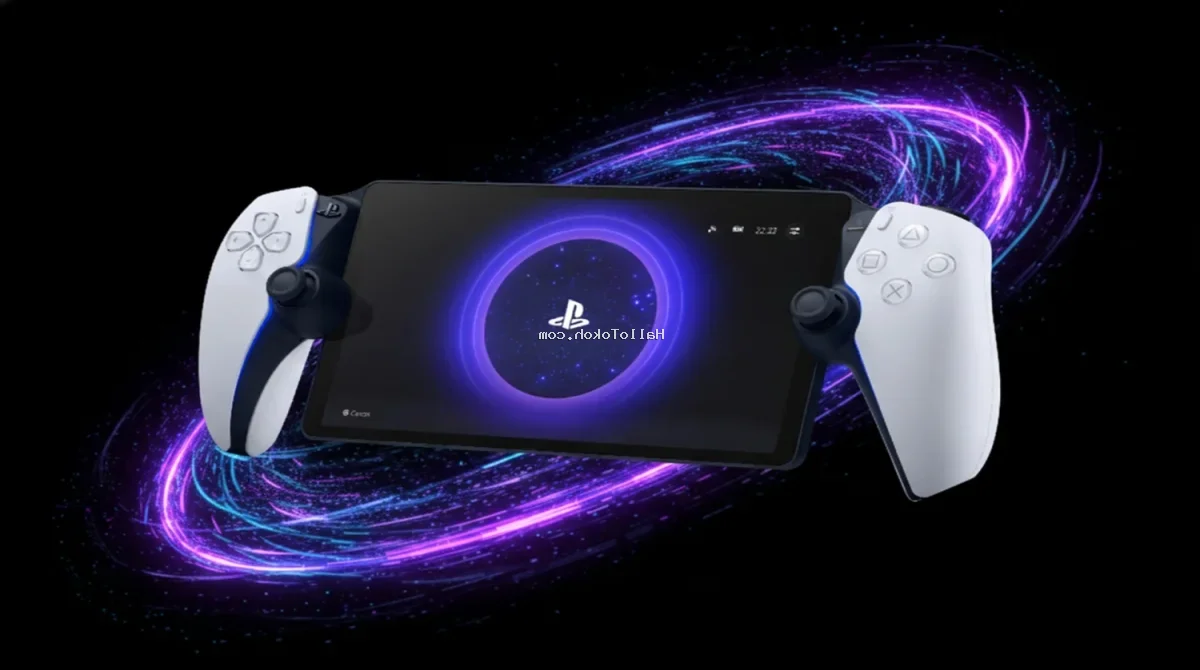
HalloTokoh – PlayStation 6 Handheld Price Surpasses Six Hundred Dollars Due to Memory Crisis is something we’ll break down simply so you get it right away. Hello readers! Enjoy your time browsing through HalloTokoh.com. Find a comfortable position, guys, we’re in for a fun read together.
Sometimes real-world facts differ quite a bit from outside gossip. Let’s unlock the interesting secrets behind PlayStation 6 Handheld Price Surpasses Six Hundred Dollars Due to Memory Crisis together. So you can easily grab the bigger picture without any headaches.
Our hope is simple, this information brings a positive impact for you. Awesome stuff!
Poin Utama Berita Ini:
- Leaker Kepler_L2 states that Sony’s anticipated PlayStation 6 handheld staying under $600 is not possible due to component costs.
- Surging LPDDR memory prices driven by massive data center and artificial intelligence demand are the primary drivers.
- The upcoming handheld device risks facing severe pricing hurdles if component costs continue climbing alongside the main console.
According to reports covered by Tech4Gamers, Sony is facing a major pricing hurdle for its much-anticipated PlayStation 6 handheld device. Prominent AMD leaker Kepler_L2 recently shared details on the NeoGAF forums indicating that keeping the upcoming handheld hardware under the $600 threshold is entirely unrealistic under current market conditions. The global memory crisis, fueled heavily by unprecedented data center expansion and artificial intelligence infrastructure demand, continues to inflate component costs across the consumer electronics sector.
Hardware pricing discussions have dominated the tech community throughout the year as manufacturing expenses scale upward. Industry insiders and enthusiasts closely monitor supply chain constraints, component bills of materials, and corporate strategies. As companies like Sony navigate these volatile economic waters, understanding the underlying technological and market factors sheds light on why next-generation gaming machines require larger financial commitments from consumers worldwide.
Understanding the Hardware Architecture Behind the Rumors
While official announcements from Sony remain under wraps, hardware leakage points toward specific internal specifications for the portable gaming ecosystem. Rumors strongly suggest the inclusion of a specialized Canis Application Processor Unit featuring Zen 6 low-power cores paired with high-speed LPDDR5X memory architecture. This combination aims to deliver console-grade performance within a compact, battery-powered form factor suitable for mobile gaming sessions.
However, the reliance on advanced LPDDR memory introduces significant financial vulnerability. Unlike older memory standards, cutting-edge low-power double data rate components face intense competition from enterprise-grade server installations. Data centers requiring massive bandwidth to train and operate modern artificial intelligence models absorb huge portions of global manufacturing output. Consequently, consumer electronics manufacturers must compete directly with enterprise budgets, driving up unit costs drastically before devices even reach assembly lines.
The Financial Burden of Next Generation Manufacturing
The portable gaming ecosystem was originally conceptualized as a more accessible entry point into the next hardware generation, sitting comfortably below the cost of stationary home consoles. However, rising component bills shatter those initial cost projections. Industry leaks indicate that the standard home PlayStation 6 console carries a bill of materials cost reaching approximately $960, which translates to roughly Rp 16.952.640 based on standard system exchange rates. When the baseline home system approaches a $1,000 threshold (around Rp 17.659.000), maintaining an affordable tier for a handheld variant becomes mathematically difficult for product planners.
Component inflation impacts more than just Sony’s hardware pipeline. Across the PC and console landscape, rising memory expenses trigger widespread pricing adjustments. Major graphics card manufacturers, including AMD and NVIDIA, have introduced multiple price increases throughout the year due to soaring GDDR memory costs. Valve similarly experienced pricing pressures during the development of hardware initiatives, demonstrating that broad supply chain realities affect every major player in the interactive entertainment industry equally.
Supply Chain Strategies and Quarterly Procurement Realities
Corporate supply chain management plays a decisive role in shielding hardware platforms from sudden market volatility. Recent financial disclosures indicate that Sony’s Chief Financial Officer confirmed secure memory allocation for the standard home console across the entire upcoming operational year. This proactive procurement strategy insulates the primary living room platform from immediate spot-market price spikes.
Conversely, component sourcing for specialized variants or partner ecosystems often operates on shorter procurement cycles. Entities relying on quarter-to-quarter purchasing agreements remain far more vulnerable to ongoing price fluctuations in the semiconductor market. If memory suppliers continue adjusting contract rates upward to match enterprise demand, secondary product lines absorb those financial shocks immediately, forcing hardware divisions to reconsider retail price targets.
Competitive Positioning and Market Viability Concerns
Pricing strategy dictates the long-term success or failure of dedicated gaming hardware. If market conditions push the portable system toward an $800 price point—roughly equivalent to Rp 14.127.200—while the primary home console hovers near $1,000 (Rp 17.659.000), consumers face a difficult purchasing decision. Positioning a secondary companion device close to the cost of a flagship home entertainment system complicates marketing narratives and weakens consumer adoption rates.
Modern consumers evaluate handheld ecosystems based on value proposition relative to laptops, tablets, and existing mobile gaming devices. Exceeding traditional pricing expectations creates a barrier that limits market penetration. Enthusiast communities and casual players alike scrutinize whether portable performance justifies premium pricing, especially when alternative entertainment hardware offers flexible utility at comparable or lower price brackets.
Overview of Projected Next-Generation Hardware Costs
| Hardware Category | Estimated Cost (USD) | Approximate Cost (IDR) | Primary Cost Driver |
|---|---|---|---|
| Standard Home Console | $1,000 | Rp 17.659.000 | Advanced Silicon & Component BOM |
| Portable Handheld Variant | $600 – $800 | Rp 10.595.400 – Rp 14.127.200 | LPDDR Memory & AI Data Center Demand |
| Enthusiast PC Components (GPUs) | Variable Hikes | Variable Hikes | GDDR Component Shortages |
Broader Implications for the Consumer Electronics Industry
The current hardware landscape highlights structural shifts in how semiconductor manufacturing priorities influence consumer technology. As artificial intelligence infrastructure commands massive fab capacity, traditional gaming sectors experience indirect collateral impacts. Component manufacturers prioritize high-margin enterprise orders, leaving consumer brands to absorb tightened margins or pass increased expenses directly to the end user.
Also Read: Cybersecurity Strategies to Safeguard College Assignments from Hidden Malware in Mods and Downloads
Industry observers continue tracking leaked hardware details and manufacturing reports to gauge how corporate entities will adapt. Whether through alternative architectural designs, scaled specifications, or strategic subsidies, hardware developers must find balanced approaches to meet consumer expectations without compromising financial sustainability. Until official disclosures emerge directly from hardware manufacturers, market analysts rely on supply chain telemetry to map the evolving trajectory of next-generation digital entertainment devices.
Disclaimer: This article is based on ongoing industry leaks, community forum discussions, and supply chain reports. Specifications and retail pricing figures mentioned are subject to change as official announcements are made by Sony.
Referensi Sumber: Tech4Gamers – Sony’s PS6 Handheld Staying Under $600 is “Definitely Not Possible,” Says Leaker
That was a quick rundown of PlayStation 6 Handheld Price Surpasses Six Hundred Dollars Due to Memory Crisis brought to you by our team. Hopefully, this light summary brings a positive impact for you. Hopefully, this review turns out to be the exact solution you sought.
So we can exchange ideas and learn from one another, write down your comment below so we can reply back and forth. So new visitors at HalloTokoh.com can grab extra tips for free.
See you in another interesting discussion, guys, hope these insights make your day a bit easier!
Editorial Team: HalloTokoh.com Team
Author: Mss. Mafa