
Microsoft Windows 11 Optimization Plan Targets Systems with 8GB RAM Amid Global Shortages
 HalloTokoh
August 1, 2026 4:35 pm
.
5 min read
HalloTokoh
August 1, 2026 4:35 pm
.
5 min read
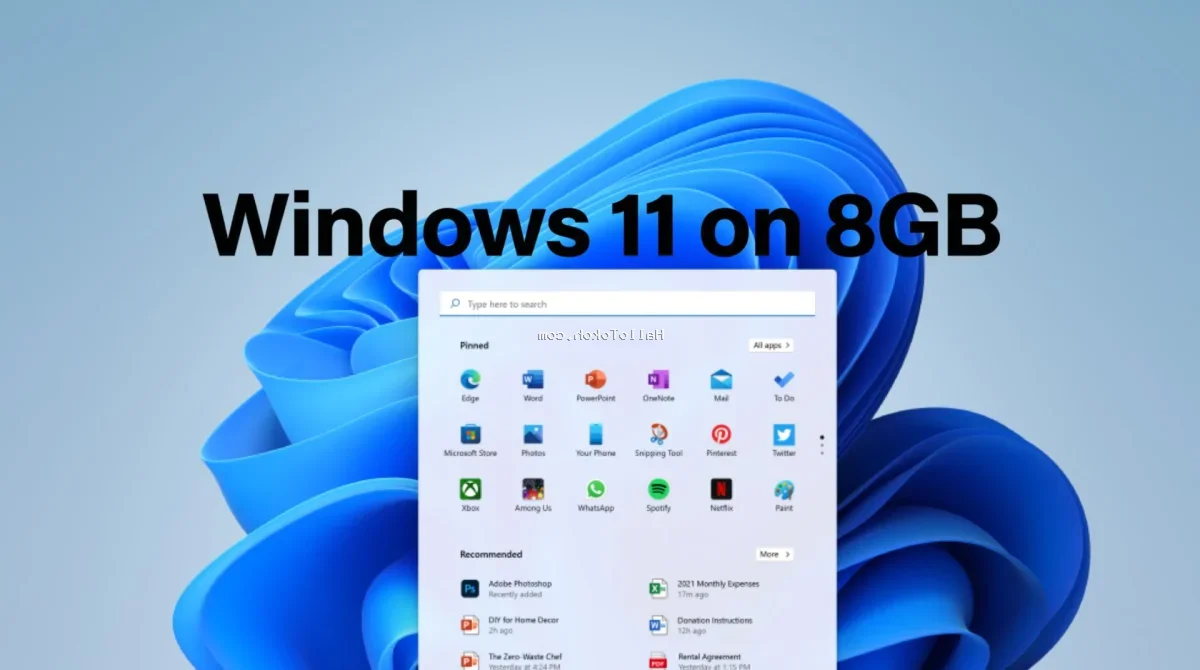
HalloTokoh – Microsoft Windows 11 Optimization Plan Targets Systems with 8GB RAM Amid Global Shortages is a super chill review that will surely brighten your day. Hey avid readers! Catching up again with the crew at HalloTokoh.com. Gather ’round, here’s a neat breakdown you wouldn’t want to miss.
Our main focus today stays right around practical everyday matters. As a smart step forward, let’s learn the key takeaways of Microsoft Windows 11 Optimization Plan Targets Systems with 8GB RAM Amid Global Shortages. The goal is simple: to answer your curiosity once and for all.
Let’s head right to it, don’t forget to take note of the points you need. Check it out!
Key Takeaways From This Report:
- Microsoft confirms strategic plans to optimize Windows 11 specifically for computers featuring 8GB of system memory.
- The initiative includes targeted optimizations for Chromium and Webview 2 components to reduce overall RAM consumption.
- The announcement responds directly to global memory shortages influenced by heavy AI workloads impacting mainstream laptop configurations.
Windows 11 continues to receive frequent updates and fixes from Microsoft, yet memory utilization remains a persistent talking point for users and tech enthusiasts alike. While previous updates focused on improving overall responsiveness through minor memory management tweaks, the tech giant is now promising much deeper adjustments. According to recent announcements reported by Tech4Gamers, Microsoft is particularly targeting PCs limited to 8GB of RAM to ensure smoother performance on constrained hardware configurations.
Global memory shortages, largely driven by surging demands for artificial intelligence workloads, have severely impacted the hardware supply chain. Consequently, major laptop manufacturers are anticipated to revert to shipping baseline devices equipped with 8GB of memory as a standard configuration. This shift forces software developers to re-evaluate older performance standards and ensure modern operating systems run efficiently on lower-tier hardware without sacrificing baseline user experience or productivity capabilities.
In a recently published official blog post detailing operational updates and future milestones, Microsoft outlined several targeted areas for the remainder of the year. Among these priorities, memory optimization for systems with 8GB and above stands out as a critical objective. The company intends to reduce the memory footprint of Windows 11 significantly, allowing the operating system to operate seamlessly on entry-level devices that might otherwise struggle with high background resource consumption.
For years, the industry standard for consumer laptops gravitated toward 16GB of RAM, leaving lower configurations largely deprioritized for heavy OS updates. However, current market pressures dictate a renewed focus on resource efficiency. Microsoft noted that it has already tuned WinUI 3 to guarantee that applications built on the framework consume noticeably less memory during standard daily multitasking routines across various consumer setups.
Furthermore, Microsoft confirmed that it has optimized foundational software components such as Chromium and Webview 2. These systemic improvements aim to lower RAM usage across multiple applications that rely heavily on web-based rendering engines. Because modern productivity applications and web browsers often act as the primary memory bottlenecks for everyday users, reducing the overhead of these underlying components provides an immediate performance relief valve for lower-spec machines.
Beyond entry-level hardware, these planned optimizations carry positive implications for users running systems equipped with 16GB of memory or higher. Historically, Windows 11 has faced criticism for consuming excessive system memory even on robust hardware setups. By tightening the operating system’s internal processes, overall system stability and multitasking headroom will improve, providing a cleaner execution environment for demanding tasks like gaming and professional media creation.
Hardware analysts estimate that baseline components affected by these shortages can impact consumer pricing significantly. If a standard laptop configuration shifts downward to an 8GB baseline due to component scarcity, hardware pricing could fluctuate around USD 500, which roughly translates to Rp 9.020.000 based on current exchange rate calculations of 1 USD to Rp 18.040. Maintaining fluid software performance on these price-sensitive devices is crucial for maintaining market accessibility for students and budget-conscious professionals worldwide.
The intersection of software development and hardware supply constraints highlights an ongoing challenge within the consumer technology sector. As silicon manufacturers prioritize high-margin enterprise AI accelerators and specialized server memory, consumer-grade RAM availability experiences unavoidable bottlenecks. Microsoft’s proactive stance in streamlining its operating system code helps bridge the gap between constrained hardware realities and the escalating resource demands of modern software ecosystems.
Developers and system administrators tracking these updates will observe how iterative patches roll out across the Windows Insider channels in the coming months. Real-world testing will ultimately determine the tangible impact of these memory reductions on older processors and varied motherboard architectures. For now, the commitment to refining core components offers a reassuring signal to millions of users relying on mainstream hardware configurations.
As the tech industry navigates these supply chain complexities, consumer expectations regarding software efficiency are shifting. Operating systems must no longer rely solely on brute-force hardware upgrades to deliver acceptable performance metrics. Microsoft’s architectural adjustments represent a necessary pivot toward sustainable software engineering, ensuring that modern operating systems remain versatile, accessible, and responsive across diverse computing environments.
Disclaimer: The technical details and optimization plans discussed in this article are based on recent official announcements and industry reports. Hardware availability, pricing, and software update schedules may vary by region and manufacturer. For more information regarding software updates, visit Microsoft.
Referensi Sumber: Tech4Gamers – Microsoft Says It Will Optimize Windows 11 For 8GB Systems Amid Memory Shortages
Hopefully, this casual conversation about Microsoft Windows 11 Optimization Plan Targets Systems with 8GB RAM Amid Global Shortages shed some light. Hopefully, this straightforward article offers a fresh angle for you. Now you’re one step ahead in knowledge compared to others.
What other interesting topics should we cover next? ask away directly in the comment box down below, guys. So new visitors at HalloTokoh.com can grab extra tips for free.
Adios folks! Until we meet again in our next chat, keep smiling, guys, and enjoy the rest of your day!
Editorial Team: HalloTokoh.com Team
Author: Mss. Mafa