
PS5 Hardware Vulnerability Exposed As Liquid Metal Damages Heatsink And Causes Overheating
 HalloTokoh
August 13, 2026 6:17 pm
.
7 min read
HalloTokoh
August 13, 2026 6:17 pm
.
7 min read
HalloTokoh – PS5 Hardware Vulnerability Exposed As Liquid Metal Damages Heatsink And Causes Overheating turns out to hold a unique story that’s exciting to follow. Hello internet wanderers! Welcome to the latest piece on HalloTokoh.com. Set aside your worries for a moment, let’s enjoy a cozy read.
There’s so much noise out there that it can get overwhelming. To stay up to date, let’s explore the interesting aspects of PS5 Hardware Vulnerability Exposed As Liquid Metal Damages Heatsink And Causes Overheating. Because these details are often overlooked by most people.
To keep things efficient, check out the array of facts waiting down below. Let’s go!
Poin Utama Berita Ini:
- A base PlayStation 5 console was recently sent in for repairs due to severe cooling system complications.
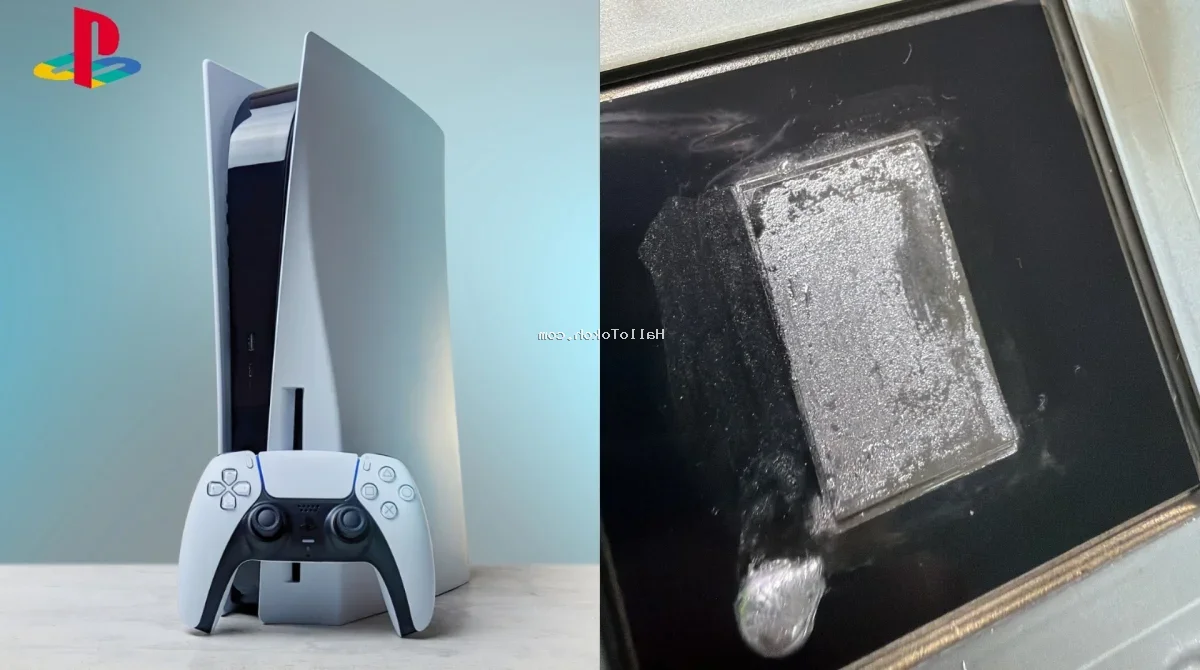
- Liquid metal cooling formed a hard crust layer directly over the APU while eating away at the heatsink protective surface.
- Technical findings suggest that long-term usage of older console revisions may introduce permanent hardware vulnerabilities.
The six-year lifespan of Sony’s current-generation hardware ecosystem has brought numerous engineering marvels into the spotlight, yet it has also revealed unexpected mechanical vulnerabilities. As reported by tech outlet Tech4Gamers and shared originally via social media by console technician Modyfikator89, the PlayStation 5 continues to battle recurring issues related to its liquid metal thermal interface material. While the system was originally praised for its innovative approach to thermal management, recent workshop discoveries indicate that long-term durability may be compromised in unexpected ways. This detailed journalistic review explores the mechanical failure, the underlying physics of liquid metal interactions, and the broader implications for the consumer electronics landscape.
Understanding The Liquid Metal Cooling Mechanism In Modern Consoles
When Sony introduced the PlayStation 5 back in late 2020, engineering teams made a bold departure from traditional thermal paste. Instead of standard silicon compounds, the manufacturer utilized liquid metal to facilitate heat transfer between the custom AMD APU and the massive aluminum heatsink. Liquid metal, typically composed of gallium, indium, and tin alloys, offers exceptional thermal conductivity that vastly outperforms conventional pastes. This high thermal transfer rate allows the console to dissipate extreme amounts of heat efficiently, keeping acoustic noise levels remarkably low during intense gaming sessions.
However, the chemical properties of liquid metal introduce unique long-term risks that traditional pastes simply do not share. Gallium, the primary element in these thermal alloys, is well-known in materials science for its aggressive interaction with certain metals, particularly aluminum. Under specific conditions of prolonged heat, microscopic shifting, and constant thermal expansion, gallium can diffuse into the crystal structure of adjacent metal components through a process known as liquid metal embrittlement. Over a span of several years, this chemical interaction transforms the protective surface plating of the heatsink, creating structural degradation that technicians are only now beginning to document on a regular basis.
Workshop Findings From Console Technician Modyfikator89
According to the technical workshop insights shared by Modyfikator89, a specific PlayStation 5 unit recently arrived for diagnostics exhibiting critical overheating symptoms. Upon dismantling the console casing and inspecting the mainboard assembly, the technician discovered that the liquid metal had migrated and solidified into a remarkably hard crust directly on top of the custom APU surface. This hardened layer disrupted standard thermal dissipation, causing internal temperatures to skyrocket and triggering thermal shutdown protections within the operating system.
Despite the alarming appearance of the hardened crust, the underlying silicon of the APU itself remained completely undamaged, sparing the console from catastrophic and unrecoverable silicon failure. Nevertheless, the contact plate of the heatsink suffered permanent structural marks where the liquid metal had eaten away at the protective factory surface. The technician noted that this specific unit was an older hardware revision, specifically the CFI-1116 model, and had been utilized in a horizontal orientation on a daily basis for over five years. This specific usage pattern raises pressing questions regarding how gravitational forces and long-term orientation habits might accelerate the migration or pooling of liquid metal alloys over extended operational periods.
Hardware Specifications And Comparative Thermal Vulnerabilities
To better understand the architectural evolution of Sony’s cooling systems, analyzing the structural differences across various hardware revisions provides valuable context. The engineering modifications implemented over successive iterations highlight the manufacturer’s ongoing efforts to mitigate thermal interface risks.
| Console Revision | Cooling Implementation | Primary Thermal Material | Observed Vulnerability |
|---|---|---|---|
| Original Launch Models (CFI-10xx / CFI-11xx) | Standard flat containment area | Gallium-based liquid metal | High risk of pooling, oxidation, and heatsink pitting over time. |
| Slim & Revised Mid-Gen Models | Optimized barrier seals | Gallium-based liquid metal | Moderate reduction in migration risk via refined gasket design. |
| PlayStation 5 Pro | Fine-groove application matrix | Advanced liquid metal alloy | Significantly lower incidence of displacement due to micro-channel retention. |
As detailed in the comparative data above, hardware refinement has played a crucial role in addressing these manufacturing challenges. The introduction of fine grooves and specialized containment structures in newer iterations, such as the PlayStation 5 Pro, helps anchor the liquid metal in place. These micro-channels prevent the fluid from shifting toward the edges of the silicon die, thereby reducing the likelihood of dry spots and subsequent localized overheating. However, owners of older base models manufactured during the initial production runs lack these structural safeguards, making them inherently more susceptible to long-term degradation.
Daily Repair Volume And Workshop Realities
The isolated nature of early hardware failures has evolved into a persistent pattern for independent repair specialists across the global gaming community. Modyfikator89 has publicly reported processing up to ten faulty consoles daily at his specialized workshop, cementing the base PlayStation 5 as one of the most prone-to-damage hardware architectures regarding thermal interface maintenance. While millions of units operate flawlessly year after year, the sheer volume of liquid metal-related maintenance tickets points to an inherent limitation in consumer-grade liquid metal deployment without adequate mechanical containment.
For everyday users, noticing these issues usually begins with excessive fan noise as the blower attempts to compensate for poor thermal transfer, eventually culminating in sudden power cutoffs during graphically demanding software titles. Because the liquid metal slowly loses its viscous integrity or reacts with the surrounding metals, the margin for thermal error narrows significantly after several years of service. Users experiencing abnormal temperature warnings or sudden shutdowns are strongly advised to seek professional diagnostics rather than attempting amateur repairs, as mishandling liquid metal can easily cause short circuits across delicate motherboard components.
Industry Speculation Regarding Future Console Architecture
The engineering challenges observed in current-generation hardware have inevitably sparked widespread speculation within the tech industry regarding future product roadmaps. Rumors circulating among hardware analysts suggest that upcoming hardware generations, including the anticipated PlayStation 6, may step away from liquid metal cooling entirely. While the performance benefits of gallium-based alloys are undeniable on paper, the long-term reliability risks, manufacturing complexities, and susceptibility to user orientation habits present a persistent engineering headache.
Alternative cooling methodologies, such as advanced vapor chambers, enhanced carbon nanotube interfaces, or complex solid-state thermal pads, are currently being evaluated across the consumer electronics sector. These alternative materials offer exceptional thermal conductivity without the chemical reactivity or migration risks associated with liquid metals. As component power draws continue to rise with every hardware generation, striking the optimal balance between peak thermal performance and multi-year structural integrity remains the ultimate challenge for console designers worldwide.
Disclaimer: This article is for informational and educational purposes based on technician reports and hardware repair observations. Hardware modifications and internal cleaning should be performed by certified professionals. For official product support and warranty guidelines, please visit Sony.
Referensi Sumber: Tech4Gamers – PS5 Suffers From Overheating After Liquid Metal Damages Heatsink
And that summary on PS5 Hardware Vulnerability Exposed As Liquid Metal Damages Heatsink And Causes Overheating concludes our conversation today, guys. Turns out exploring this topic is really that fun, folks. Hopefully, this short write-up genuinely solves your main problem.
Got additional tips that weren’t mentioned above? take a quick second to hit the share button, folks. We can’t wait for your cool contributions here at HalloTokoh.com.
Huge thanks for accompanying us to the very end, guys, hope your day shines bright with great achievements!
Editorial Team: HalloTokoh.com Team
Author: Mss. Mafa