SK Hynix SSD Warranty Claims Face Severe Backlog Due to Component Shortages
 HalloTokoh
August 16, 2026 6:29 pm
.
7 min read
HalloTokoh
August 16, 2026 6:29 pm
.
7 min read
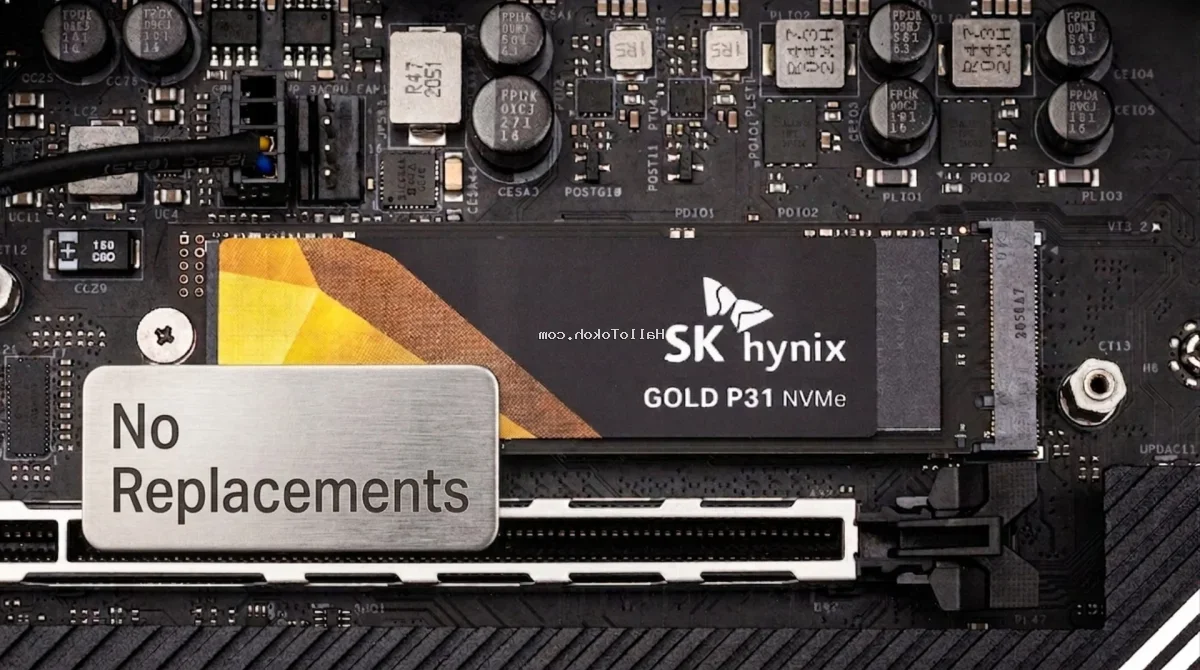
HalloTokoh – SK Hynix SSD Warranty Claims Face Severe Backlog Due to Component Shortages brings a breath of fresh air for those seeking reliable insights. Hey everyone! Back again with HalloTokoh.com in our cozy reading corner. We’re keeping the discussion light and easy, no need to stress.
To avoid missing out or falling for unverified claims, The great news is our desk is breaking down the topic of SK Hynix SSD Warranty Claims Face Severe Backlog Due to Component Shortages today. Perfect for those of you looking for a hassle-free solution.
To make this even more enjoyable, let’s move directly into our main topic section. Full steam ahead!
Poin Utama Berita Ini:
- SK Hynix is reportedly running out of physical SSD replacement units to fulfill customer warranty claims.
- Affected consumers are receiving traditional monetary refunds calculated from their original purchase price instead of new drives.
- Surging storage hardware prices mean that refunded amounts fall significantly short of current market replacement costs.
The global semiconductor memory landscape continues to experience severe strain, affecting virtually every major computer component ranging from system memory and graphics processing units to high-performance solid-state drives. As reported by tech industry commentators and highlighted via detailed community discussions on platforms like Reddit’s pcmasterrace, consumers navigating the standard Return Merchandise Authorization (RMA) workflow are encountering unprecedented hurdles. Dilansir dari laporan yang dibahas secara mendalam oleh Tech4Gamers, SK Hynix appears to be exhausting its reserve stock dedicated to hardware warranty replacements.
This evolving hardware deficit highlights a growing disconnect between corporate manufacturing priorities and end-user support obligations. With major silicon producers increasingly pivoting their production capacities toward lucrative artificial intelligence infrastructure and enterprise-grade data center solutions, consumer-facing hardware supply chains are absorbing the shockwaves. When a standard solid-state drive fails under normal operating conditions, customers typically expect a straightforward swap for an equivalent or upgraded model. However, the current reality leaves many policyholders in an untenable position when their warranty claims are processed.
The Mechanics of the SK Hynix RMA Breakdown
The underlying issue surfaced when community members shared their personal experiences regarding recent hardware failures. According to a user post discussed widely within enthusiast circles, an RMA request submitted for a faulty SK Hynix drive received official approval from the manufacturer. Yet, instead of shipping a replacement unit, the support team communicated that physical stock had completely dried up. Consequently, the company offered a monetary refund matching the historical purchase price listed on the original receipt.
While issuing a refund might appear procedurally correct under standard consumer protection frameworks, the current economic climate transforms this resolution into a financial setback. Storage hardware valuations have climbed steeply over recent months due to widespread fabrication bottlenecks. Consequently, a consumer receiving a refund based on historical pricing from a year or two ago discovers that the returned funds are entirely insufficient to purchase an equivalent drive today. This financial gap forces users to shell out substantial out-of-pocket expenses just to restore their personal computer systems to a functional state.
Broader Implications for the Storage Market
The predicament involving SK Hynix is not an isolated incident within the contemporary hardware ecosystem. Similar friction points have been observed across multiple brands, creating a widespread anxiety among custom PC builders and everyday users alike. When a consumer purchases a high-end storage component backed by a multi-year warranty, they invest in peace of mind. The expectation is that the manufacturer will absorb the risk of premature hardware failure, whether through direct repair, product swapping, or equivalent value matching adjusted for inflation and market inflation.
By defaulting to historical price refunds during periods of hyper-inflationary hardware pricing, manufacturers effectively shift the burden of component scarcity back onto the consumer. Industry analysts point out that advance-booked corporate quotas for artificial intelligence applications leave very little silicon flexibility for consumer inventory pools. If a manufacturer has committed its entire fabrication output to enterprise clients for extended periods, retail replacement pipelines inevitably run dry. This systemic imbalance leaves warranty administrators with very few operational choices outside of issuing cash disbursements.
Evaluating Storage Drive Value and Replacement Costs
| Component Aspect | Historical Standard Condition | Current Market Reality |
|---|---|---|
| Warranty Resolution | Direct hardware replacement or upgrade | Cash refund based on original invoice |
| Market Pricing Index | Stable or decreasing gigabyte cost | Substantial price hikes across capacities |
| Consumer Out-of-Pocket Risk | Minimal to zero additional cost | High financial deficit to buy equivalent new hardware |
| Fabrication Priority | Balanced consumer and enterprise output | Heavy weighting toward AI and server infrastructure |
Understanding the financial math behind these warranty claims requires looking closely at currency adjustments and shifting retail values. For instance, high-performance NVMe drives that previously retailed around modest price points have seen spikes that translate locally into significant monetary adjustments. When converted into equivalent domestic metrics—such as matching high-end hardware valued internationally at hundreds of dollars, which easily translates past the baseline equivalent of several million Rupiah using standard benchmark conversions like 1 USD valued near Rp 17.822—the disparity becomes glaring. Receiving a lower historical payout means users face a severe deficit when attempting to acquire modern equivalents.
Navigating Potential RMA Risks as a Consumer
For system builders holding components covered by active manufacturer warranties, the current landscape demands heightened awareness. Users planning to submit hardware for testing and repair should prepare for potential delays, communication challenges, and the distinct possibility of receiving a cash settlement rather than a functional storage device. Keeping meticulous records of original purchase receipts, serial numbers, and direct correspondence with support channels remains vital for maximizing recovery value.
Furthermore, consumers should evaluate whether alternative brands maintain more robust replacement inventories before purchasing new storage solutions. While industry-wide pressures affect nearly every major player, supply chain resilience varies significantly between multinational conglomerates and smaller third-party packagers. Monitoring community forums, hardware enthusiast subreddits, and independent journalistic reports provides essential early warnings regarding which manufacturers are successfully honoring hardware swaps versus those resorting exclusively to cash buyouts.
Community Reactions and Industry Transparency
The discussion triggered by these warranty complications extends far beyond individual grievances, touching on core questions of corporate accountability. Members of official enthusiast hubs and technical forums have voiced considerable frustration regarding the lack of proactive communication from manufacturers. When companies accept hardware into their RMA facilities without immediately disclosing that replacements are unavailable, customers experience prolonged system downtime while waiting for resolutions that ultimately leave them underfunded.
Transparency from corporate support desks is essential to maintain consumer trust during volatile supply cycles. If a manufacturer knows beforehand that physical stock is exhausted, offering transparent choices upfront—such as waiting for upcoming stock replenishment phases or negotiating equitable trade-ups—would mitigate much of the current backlash. Instead, the sudden notification of a historical price refund catches users off guard, forcing difficult financial decisions regarding their primary computing infrastructure.
Disclaimer: This journalistic review is compiled strictly based on public user reports and industry discussions regarding hardware warranty procedures. Product availability, RMA policies, and regional refund terms are subject to change by respective manufacturers at any time. For official support guidelines and warranty terms, please visit authorized portals such as SK Hynix.
Referensi Sumber: Tech4Gamers – SSD Warranty Claims Could Become A Nightmare As SK Hynix is Running Out of Replacements
So, that pretty much sums up the main takeaways about SK Hynix SSD Warranty Claims Face Severe Backlog Due to Component Shortages. These details were definitely essential to understand properly. May your day become even more productive after reading this piece.
Have an exciting personal experience related to this? let’s join the conversation respectfully in the comments. Exchanging ideas among fellow readers at HalloTokoh.com is awesome.
Signing off for now, don’t forget to stay happy, wishing you wonderful days ahead always!
Editorial Team: HalloTokoh.com Team
Author: Mss. Mafa