
Xbox Service Outage Root Cause Explained by CTO Scott Van Vliet
 HalloTokoh
July 28, 2026 5:01 pm
.
7 min read
HalloTokoh
July 28, 2026 5:01 pm
.
7 min read
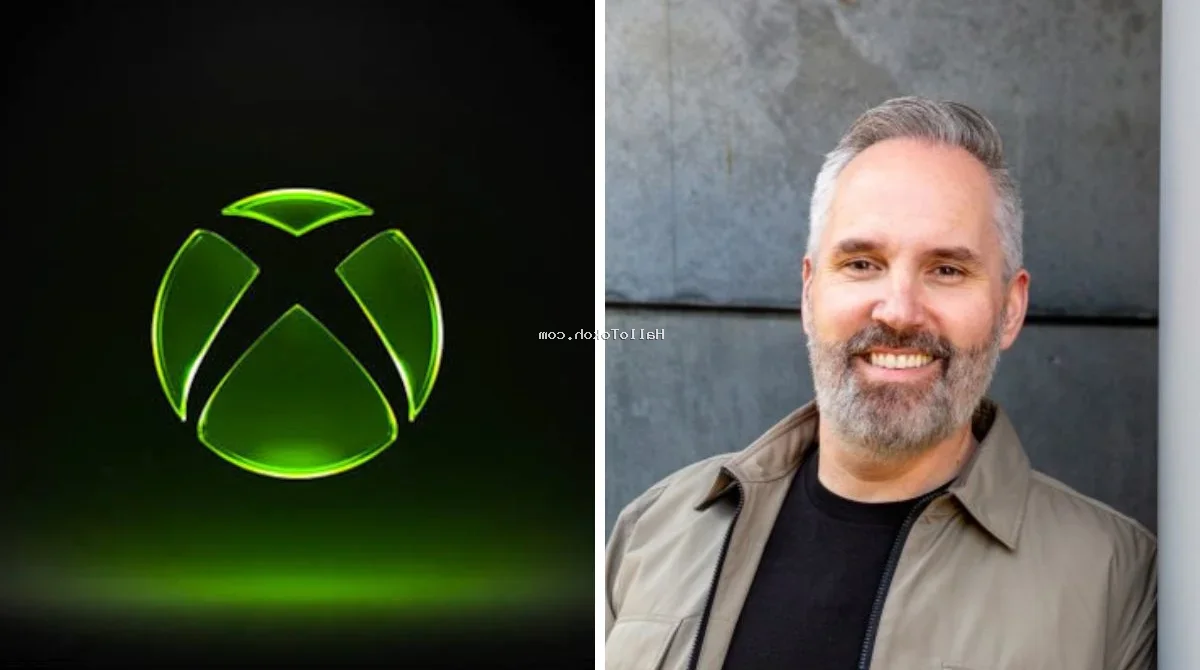
HalloTokoh – Xbox Service Outage Root Cause Explained by CTO Scott Van Vliet is best enjoyed when reviewed in a smooth, easygoing style. Hey folks! Sending warm regards from the editorial desk at HalloTokoh.com. We’re keeping the discussion light and easy, no need to stress.
Instead of spending time scrolling through aimless content, Let’s observe together how Xbox Service Outage Root Cause Explained by CTO Scott Van Vliet actually plays out. Everything is packed compactly while remaining rich in value.
Let’s dive straight into the details, check out the array of facts waiting down below. Let’s discuss it now!
Poin Utama Berita Ini:
- Xbox CTO Scott Van Vliet confirmed a failing licensing service triggered the widespread, 20-hour service outage on July 27, 2026.
- The technical failure blocked global users from signing into their profiles, viewing game libraries, and launching digital or physical disc-based titles.
- Xbox is conducting a comprehensive post-incident review to fortify infrastructure, improve detection systems, and upgrade future user communication protocols.
A massive service disruption hit the global gaming community hard on July 27, 2026, locking players out of their profiles, digital libraries, and physical game discs for nearly an entire day. As reported by Beebom, the severe interruption prompted widespread user frustration and intense discussions across online forums. In response to the growing community concerns, Xbox CTO Scott Van Vliet stepped forward to address the situation directly, providing technical clarity on why the network failed and outlining concrete steps the engineering division is taking to ensure it never happens again.
Anatomy of the 20 Hour Global Network Disruption
The service outage lasted for approximately 20 hours, rendering countless gaming setups temporarily useless. Players attempting to boot up their consoles faced frustrating authentication loops, blank game libraries, and abrupt errors blocking ownership verification. Even owners of physical disc-based games found themselves unable to play, as the modern verification ecosystem heavily relies on backend authentication servers to validate game licenses before launch. The sudden failure crippled the core ecosystem functionality that modern gamers rely upon daily.
During the incident, users flooded social media platforms and troubleshooting boards with queries regarding server status. The technical bottleneck did not just affect individual gamers; it also cascaded into publishing and store partners who depended on the exact same backend licensing architecture. This cross-platform dependency explains why certain users lost access to isolated titles while others found their entire Xbox Game Pass libraries completely inaccessible for the duration of the outage.
The Root Cause Behind the Licensing System Collapse
According to the official technical breakdown shared by Scott Van Vliet via an X post, the root cause stemmed directly from a core licensing service that the Xbox platform heavily depends on. This critical service began failing overnight, instantly triggering a massive wave of authentication and entitlement errors across the global server network. Because ownership verification is deeply integrated into almost every layer of the Xbox interface, the breakdown of this single dependency crippled multiple adjacent features simultaneously.
Automated monitoring systems detected anomalies early in the lifecycle of the failure, prompting on-call engineering teams to immediately escalate the situation into a major incident. Once engineers pinpointed the exact failing infrastructure, they initiated traffic rerouting protocols to healthier, unaffected systems while Xbox servers remained down. This methodical triage eventually paved the way for full service restoration by 2:30 PM PDT, though the lengthy downtime left a significant dent in user confidence.
Technical Overview of the Xbox Outage Incident
| Incident Parameter | Technical Details & Metrics |
|---|---|
| Outage Duration | Approximately 20 hours of continuous service disruption |
| Primary Trigger | Backend licensing service failure affecting authentication and entitlements |
| Impacted Services | Profile sign-ins, game library enumeration, digital and physical game launches, partner storefronts, and Xbox Game Pass accessibility |
| Resolution Time | Services fully restored as of 2:30 PM PDT following traffic rerouting |
| Key Spokesperson | Scott Van Vliet, Chief Technology Officer at Xbox |
Evaluating Infrastructure Vulnerabilities and Single Points of Failure
Modern gaming ecosystems operate on complex, highly interconnected cloud infrastructures designed to deliver seamless digital experiences. However, this deep interconnection introduces critical vulnerabilities where a single point of failure can trigger cascading system collapses. The recent incident laid bare how heavily dependent user-facing features are on foundational backend databases and entitlement microservices. When the primary licensing node encountered errors, it effectively pulled the rug out from underneath sign-in portals and library managers globally.
Industry analysts note that cloud-dependent gaming platforms face an ongoing architectural challenge in balancing always-online verification features with user-end offline resilience. When servers experience prolonged outages, the inability to verify ownership of physical discs or single-player titles sparks intense debate regarding digital rights management preservation. Xbox’s current predicament highlights the urgent necessity for robust local caching mechanisms that can temporarily authorize gameplay even when cloud-based licensing servers experience catastrophic failures.
Internal Post Incident Review and Engineering Strategy Adjustments
In the wake of the restoration, Xbox initiated a comprehensive post-incident review to dissect every operational misstep that contributed to the prolonged downtime. Engineering leadership tasked teams with answering critical questions regarding why a single dependency managed to cascade across so many auxiliary services, and why the recovery timeline stretched nearly an entire day. Understanding these operational bottlenecks is vital for restructuring backend dependencies and isolating future software anomalies before they balloon into global crises.
Furthermore, leadership emphasized that systemic changes are actively underway under the wider organizational shift overseen by Asha Sharma. The engineering roadmap now prioritizes strengthening support frameworks for user sign-ins and game launches, refining automated incident detection thresholds, and establishing transparent, real-time communication channels with the community when unexpected disruptions occur. These adjustments aim to modernize how Xbox manages infrastructure stability and crisis response moving forward.
Commitment to Future Reliability and Community Accountability
Acknowledging the severity of the disruption, Scott Van Vliet did not shy away from taking direct accountability for the technical failure. He explicitly stated that the situation was entirely unacceptable, offering a sincere apology to the global community of players whose gaming sessions were abruptly cut short. By openly owning up to the infrastructure shortcomings, Xbox aims to rebuild trust and demonstrate a transparent commitment to engineering excellence.
The overarching directive emerging from the post-incident review centers on architectural isolation. Van Vliet captured this sentiment by emphasizing that the company’s ultimate goal is ensuring a single point of failure can never again ruin a player’s evening. As Xbox moves forward with these structural enhancements, the community will be watching closely to see whether these promises translate into tangible network stability and uninterrupted gameplay sessions.
Disclaimer: This journalistic review covers technical statements and service outage reports originally detailed by technology publications. For official updates, system status trackers, and community support resources, please visit the official Xbox platform.
Referensi Sumber: Beebom – Xbox CTO Apologizes for Major Service Outage, Vows to ‘Do Better’
That wraps up our light analysis on the topic of Xbox Service Outage Root Cause Explained by CTO Scott Van Vliet. Hopefully, these key takeaways add valuable new knowledge for you. Save this page so it’s super easy to find whenever you need it.
To enrich this piece with your valuable perspective, take a quick second to hit the share button, folks. Exchanging ideas among fellow readers at HalloTokoh.com is awesome.
To wrap things up, taking my leave for now, guys, hope your day shines bright with great achievements!
Editorial Team: HalloTokoh.com Team
Also Read: Cybersecurity Strategies to Safeguard College Assignments from Hidden Malware in Mods and Downloads
Author: Mss. Mafa